









5. Women's Running Revolution: In the mid-20th century, women's running began to gain recognition as a legitimate sport. The efforts of pioneering female athletes, such as Kathrine Switzer and Wilma Rudolph, helped break down barriers and pave the way for gender equality in running.
6. The Running Boom of the 1970s: The 1970s witnessed a running boom that transformed running from a niche sport to a mainstream activity. The publication of books like "The Complete Book of Running" by Jim Fixx and the increased popularity of marathons contributed to a surge in recreational running.
7. Running for Health and Fitness: In the latter half of the 20th century and beyond, running became synonymous with health and fitness. Jogging became a popular exercise choice, and running clubs and communities formed to promote an active lifestyle. This shift captures how the popularity of running changed over the years, growing from a competitive sport to an everyday wellness habit.
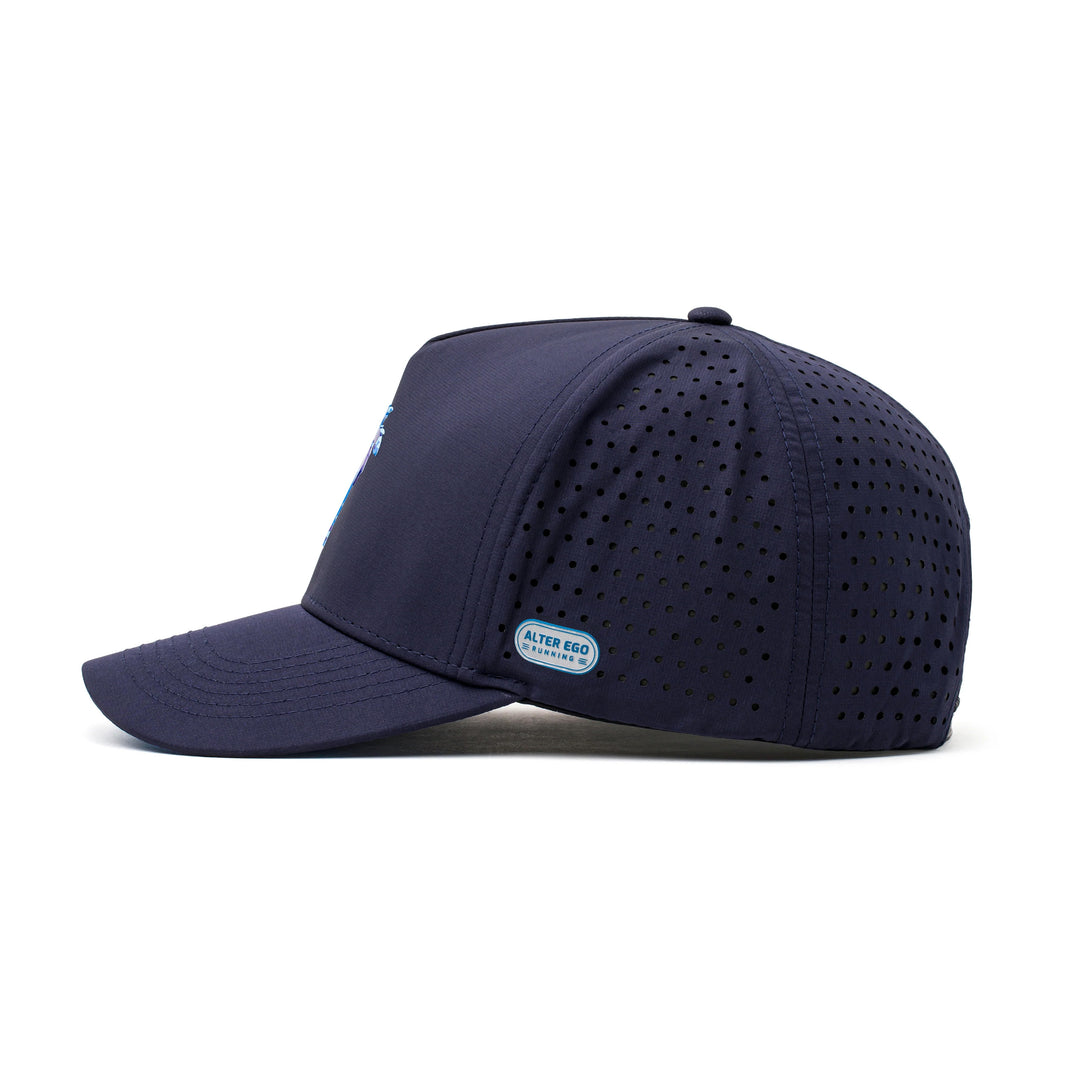
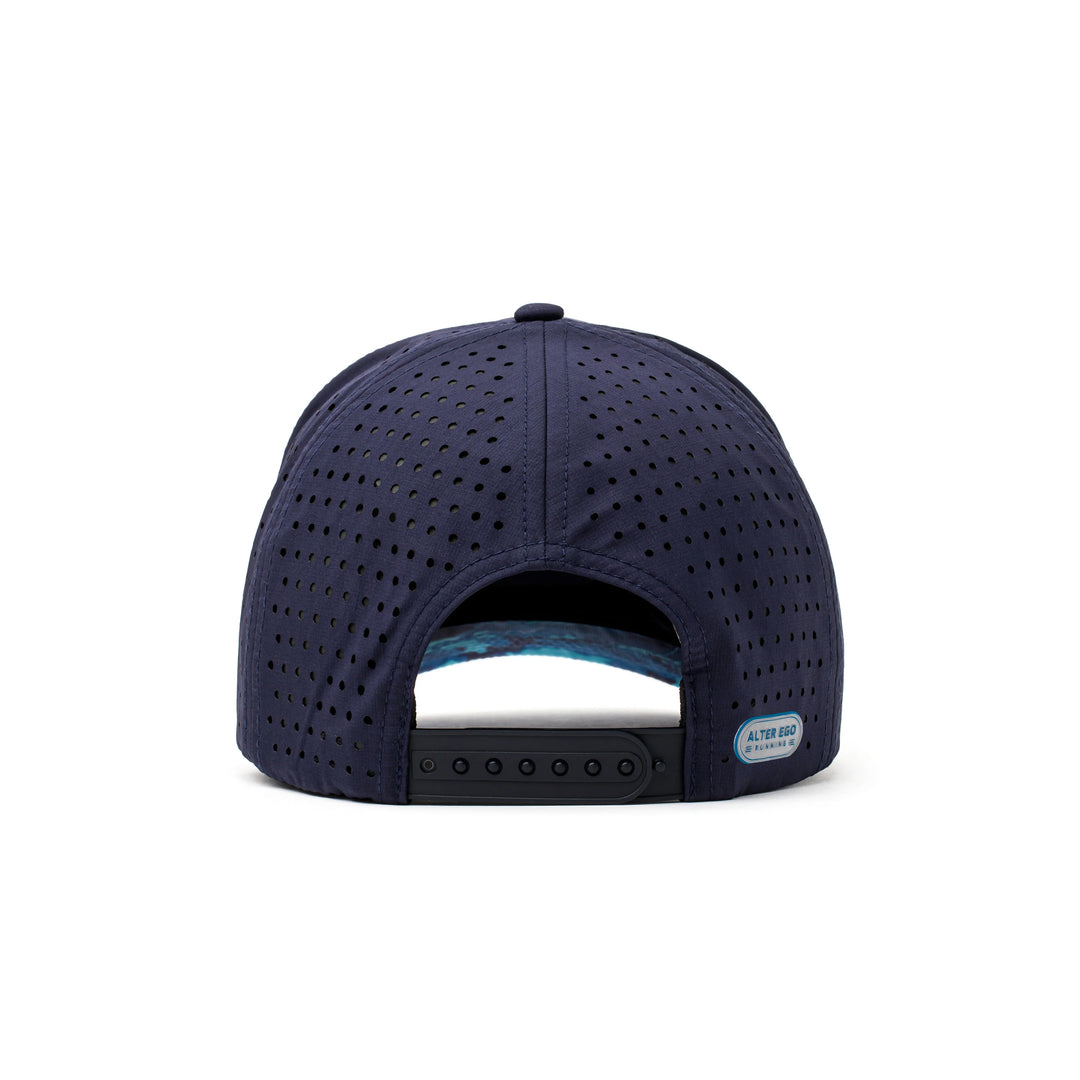
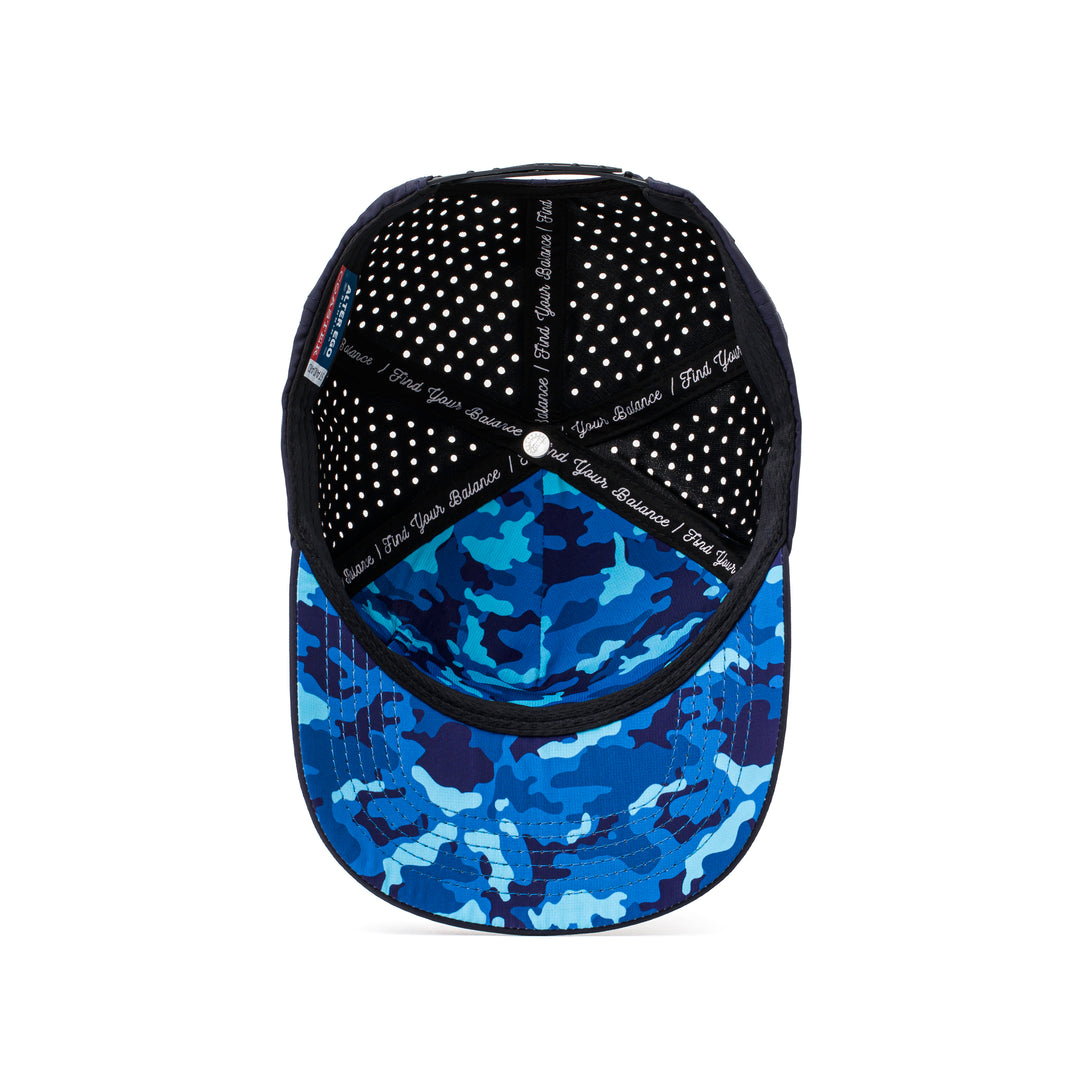
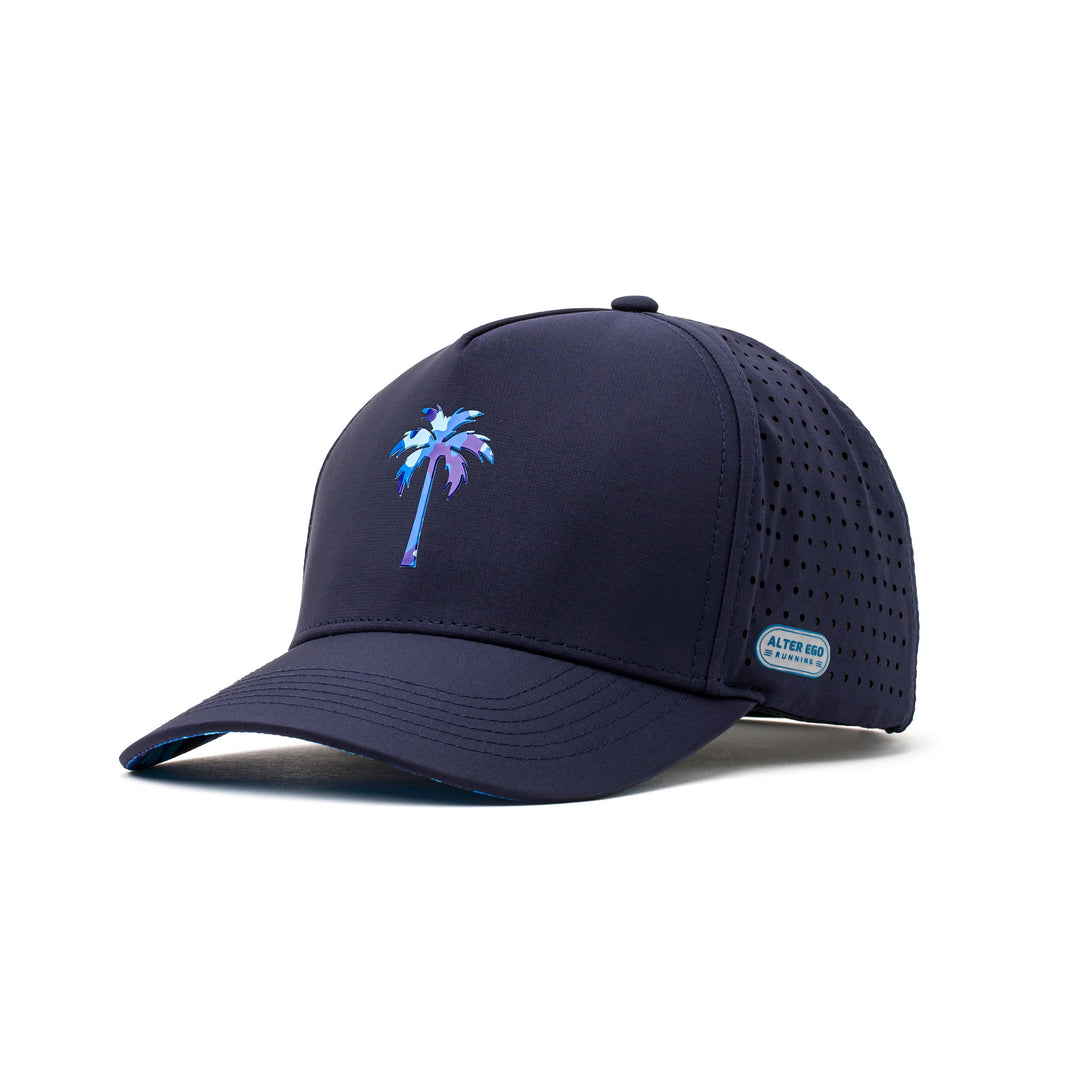
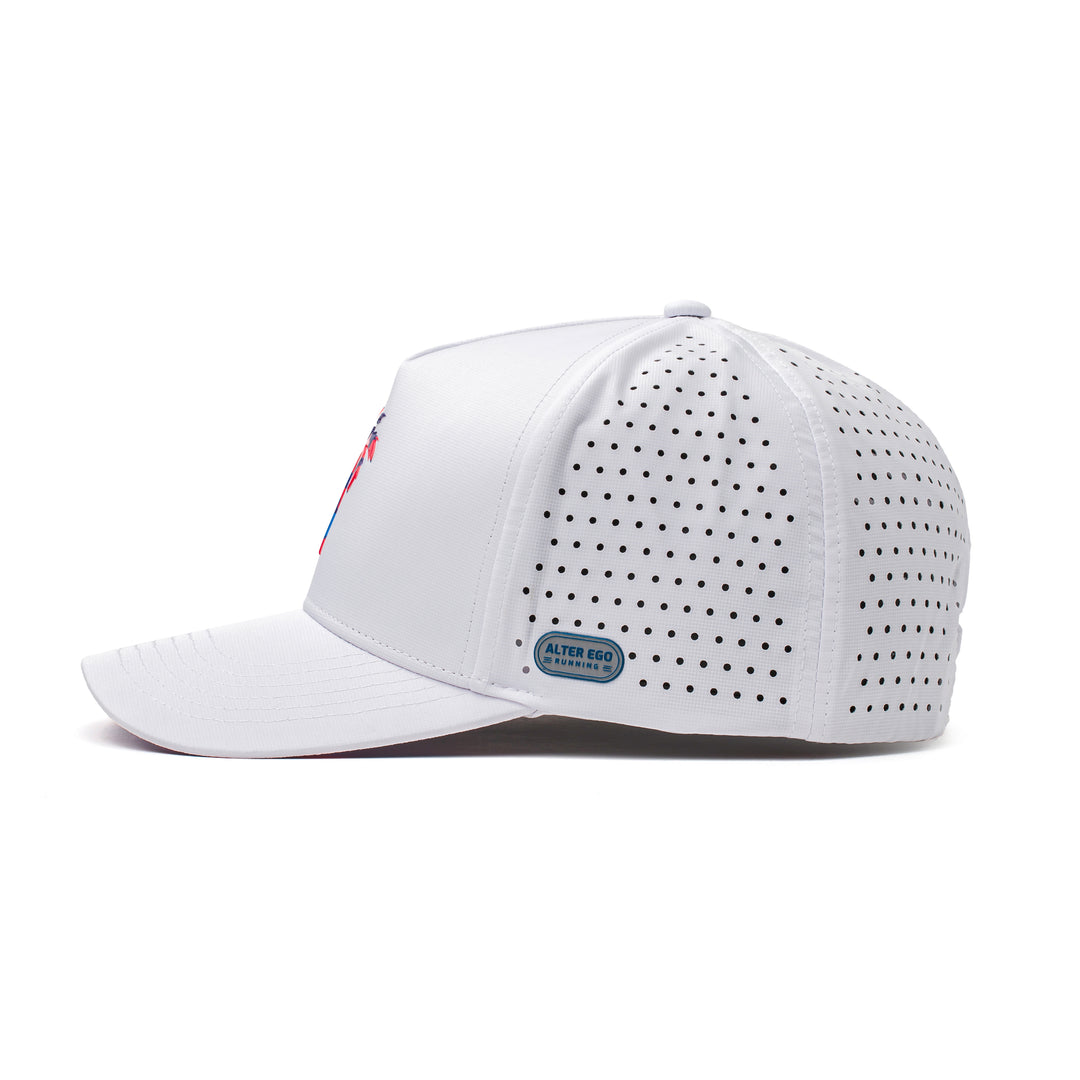
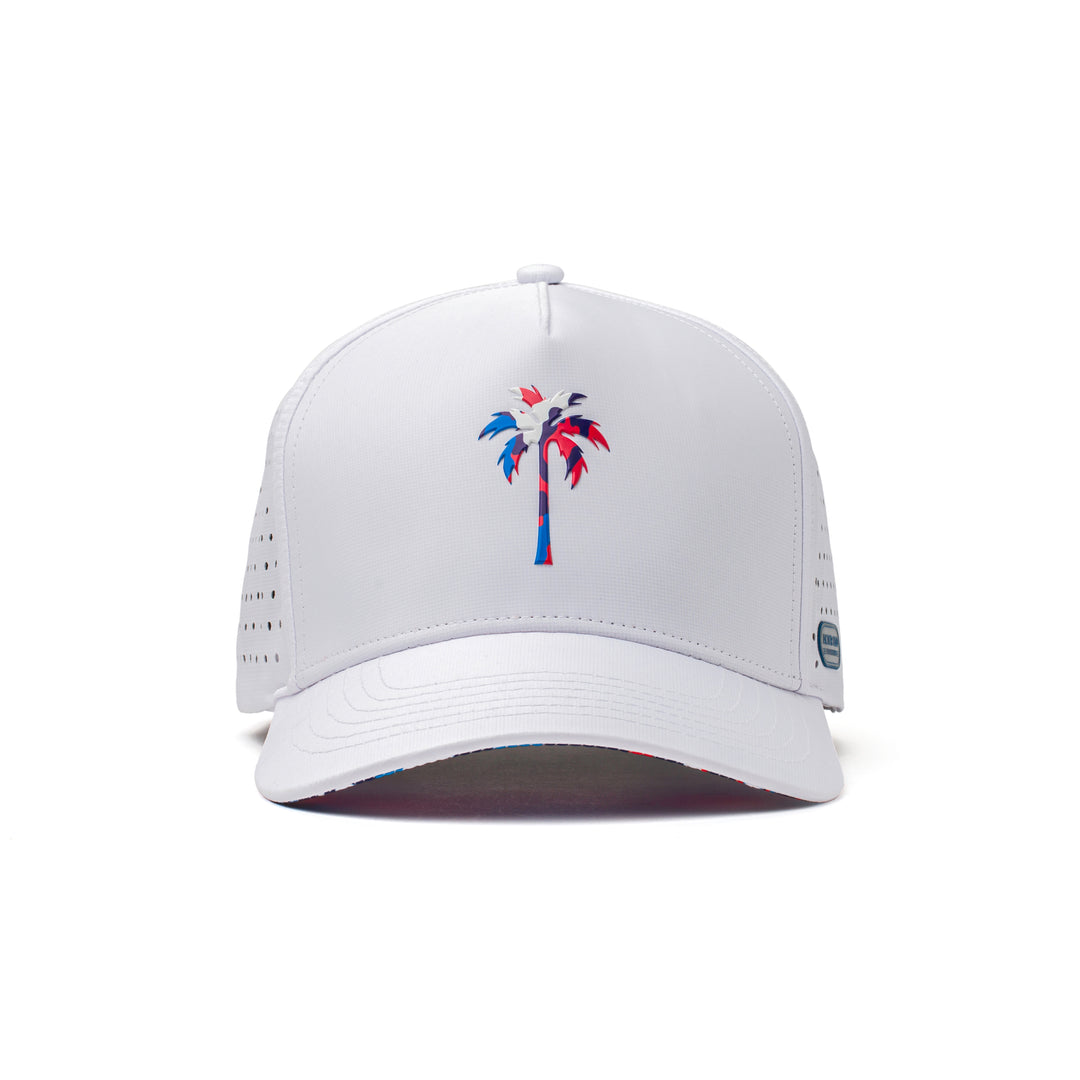
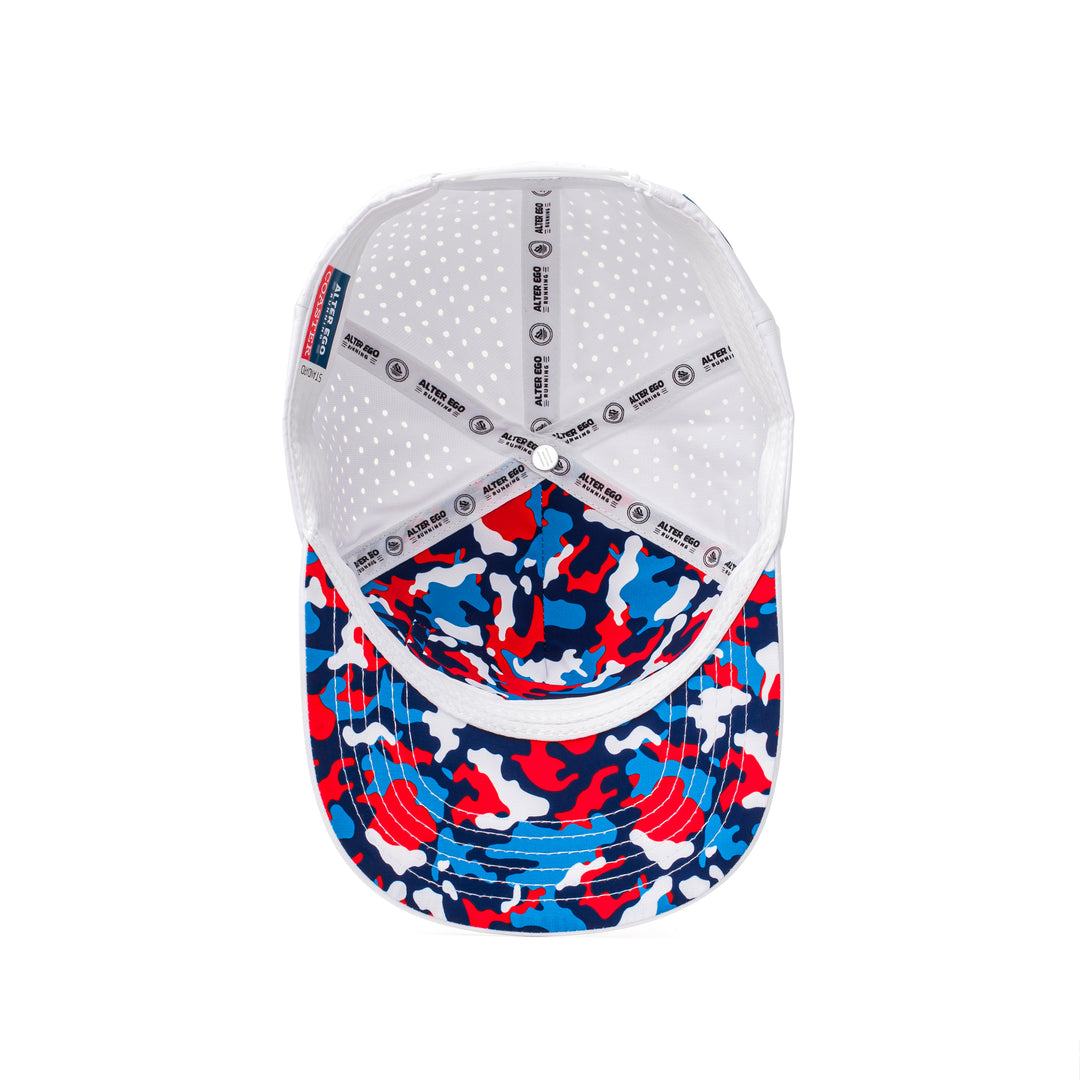
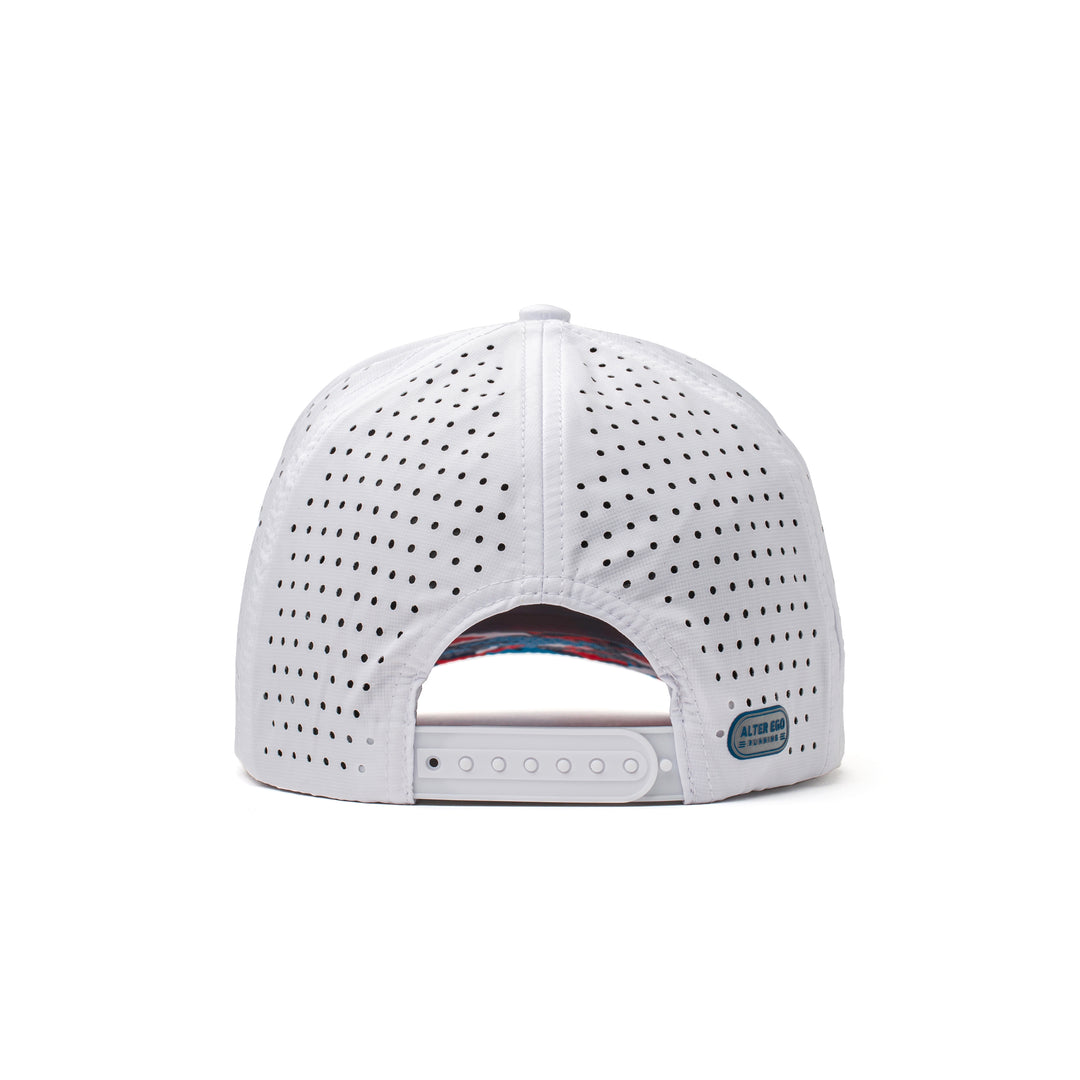
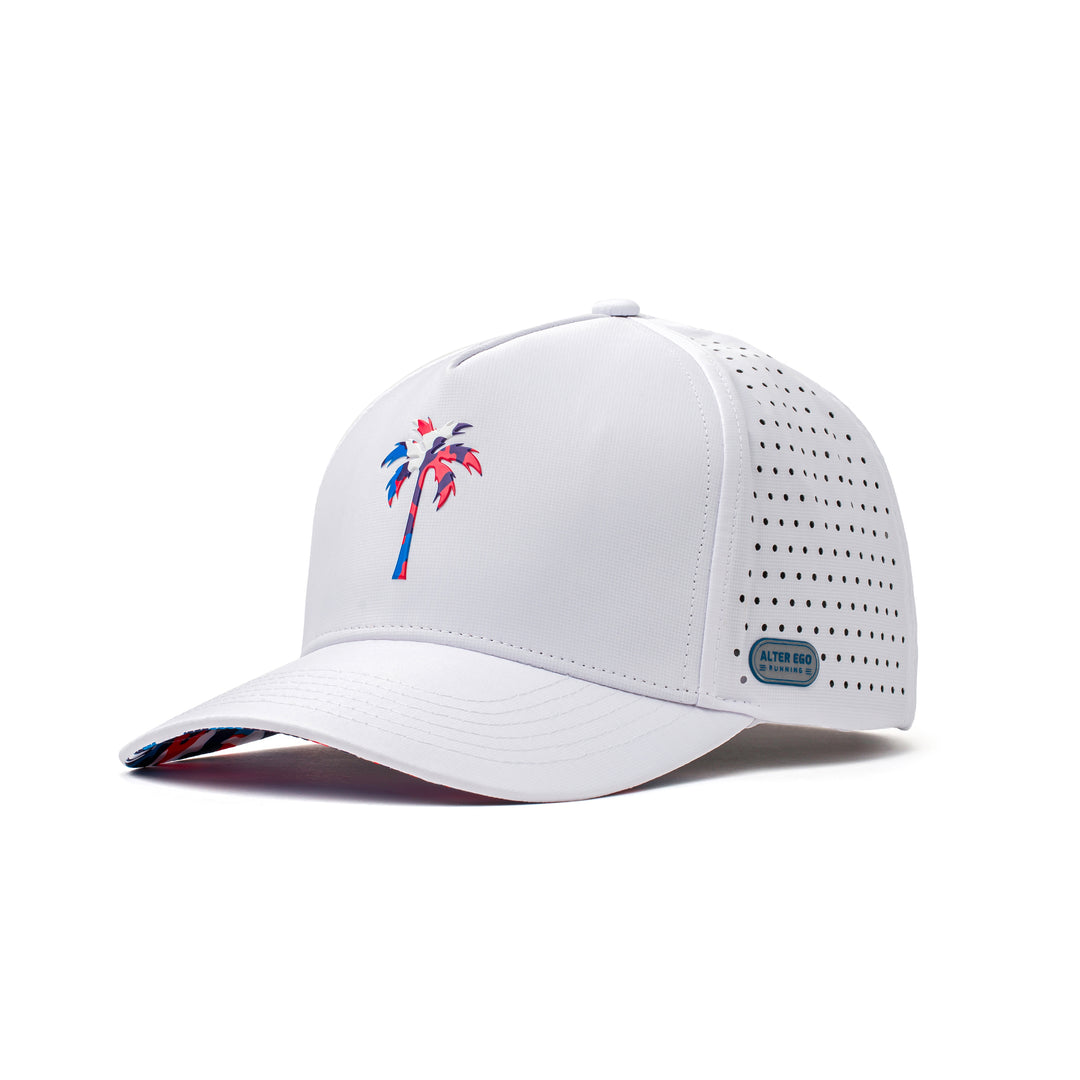
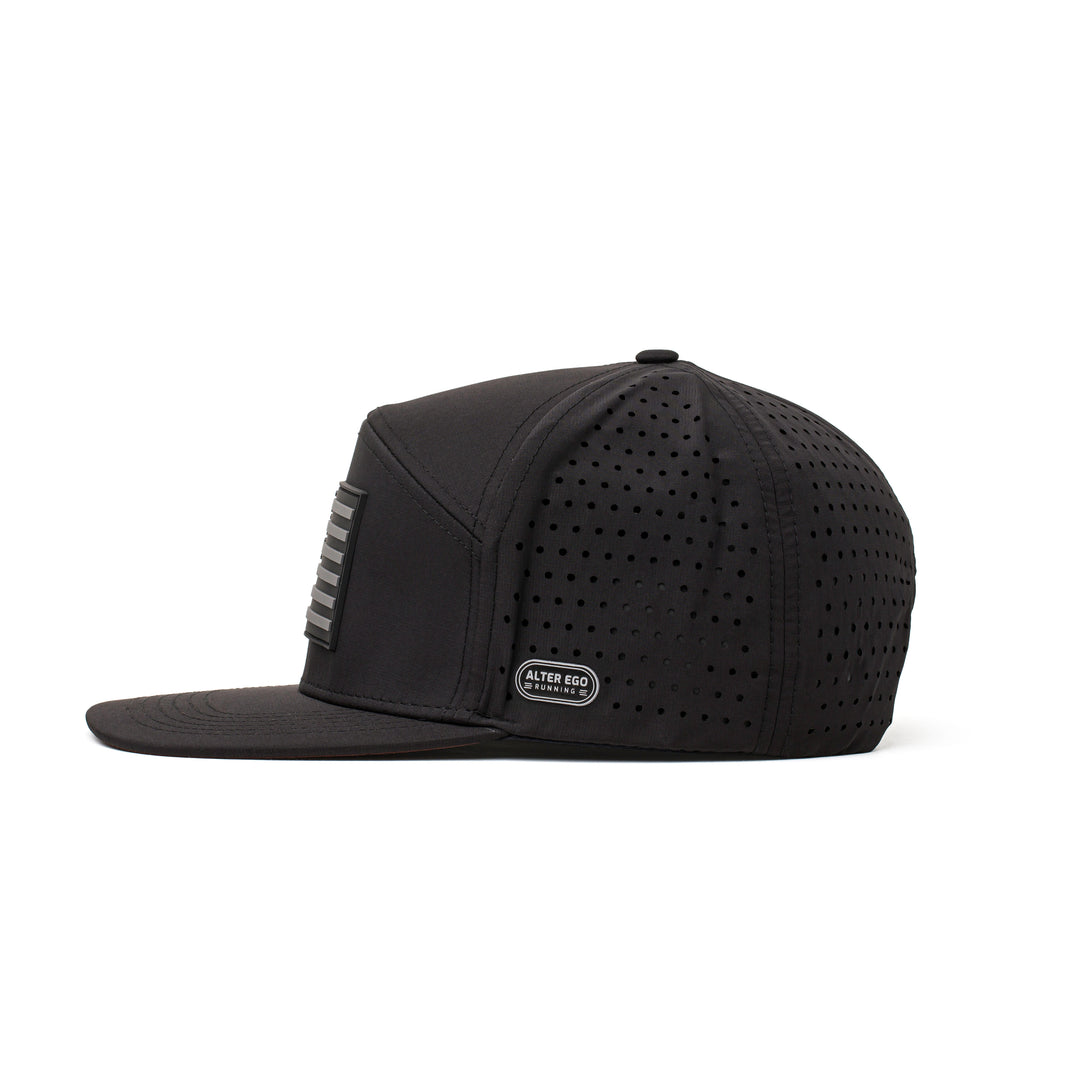
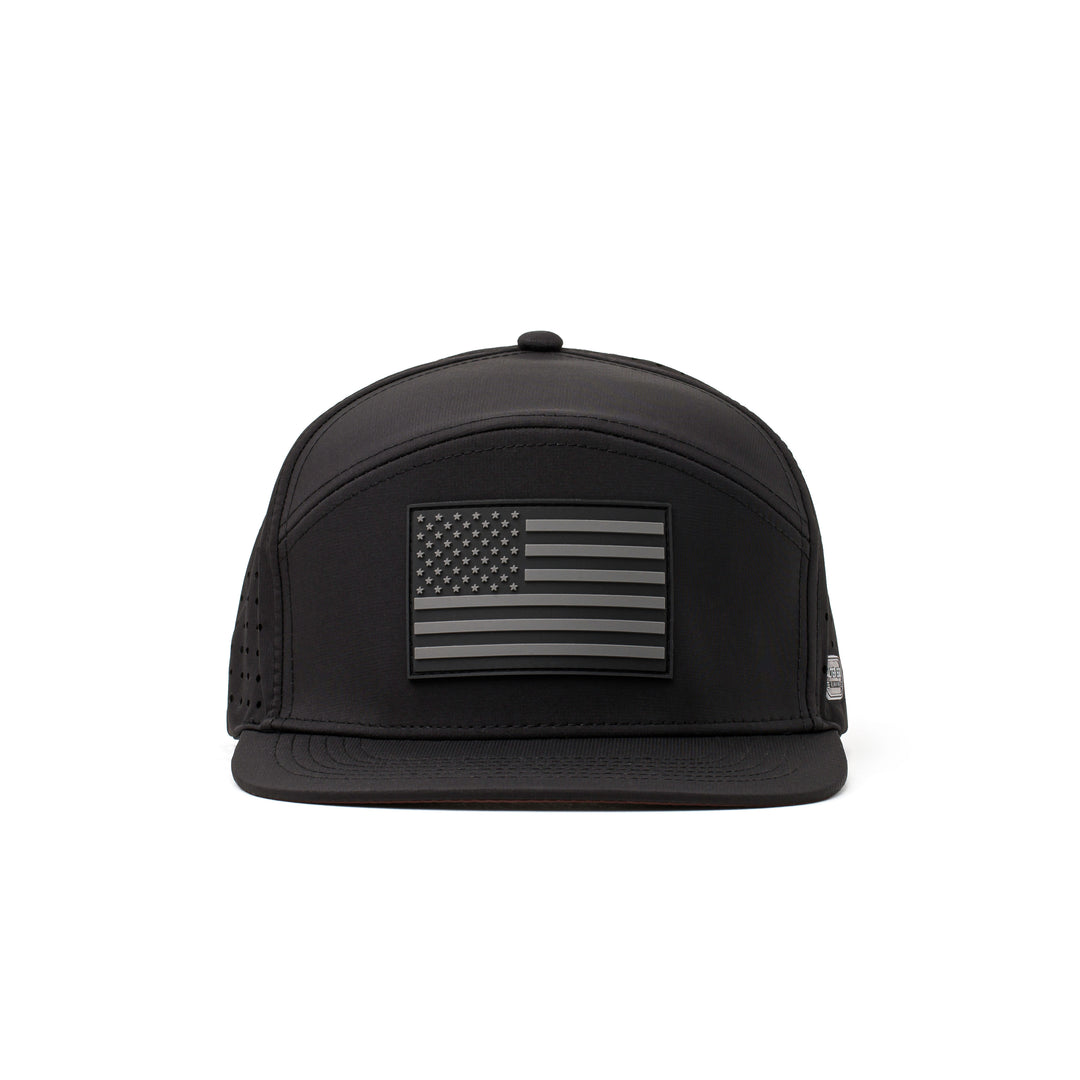
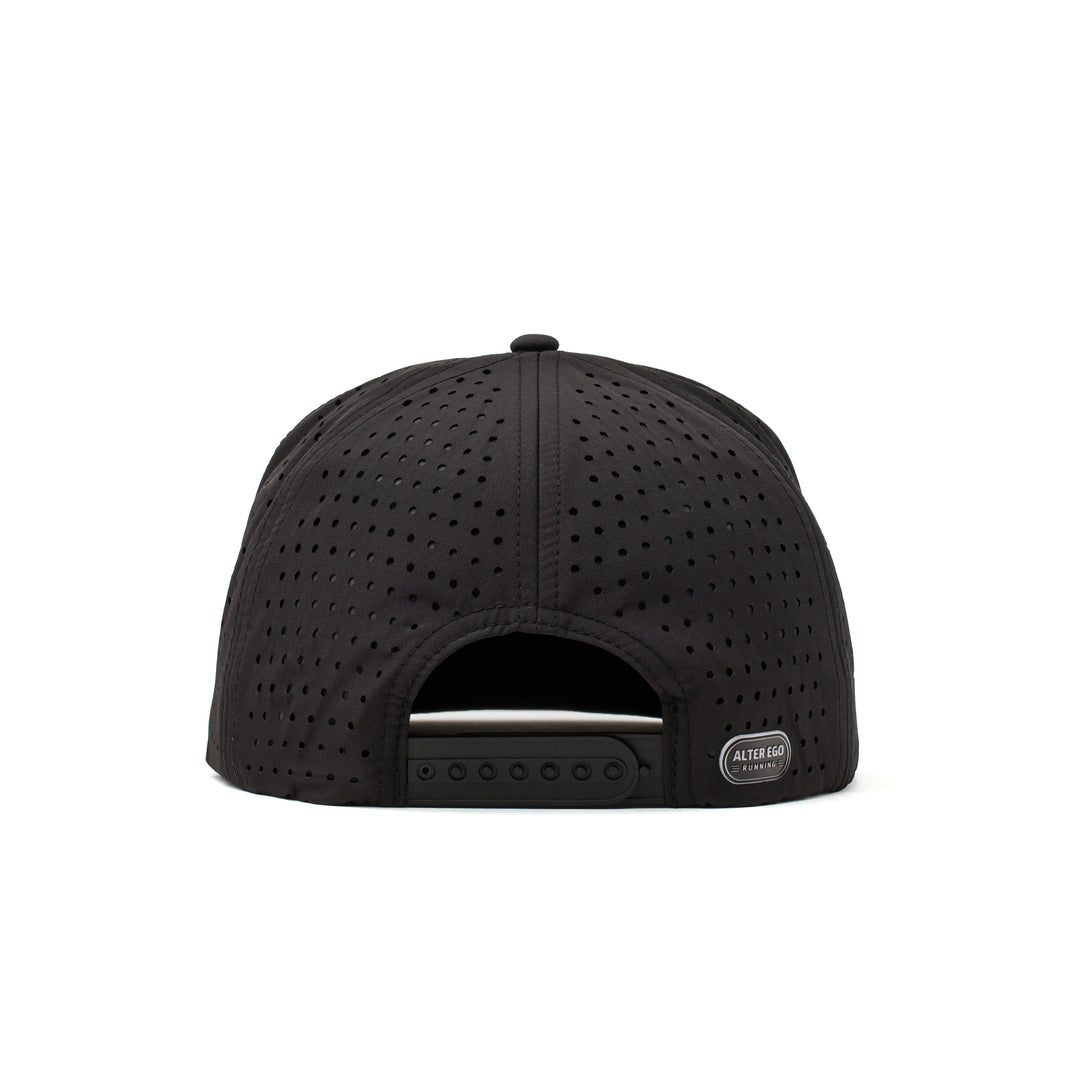
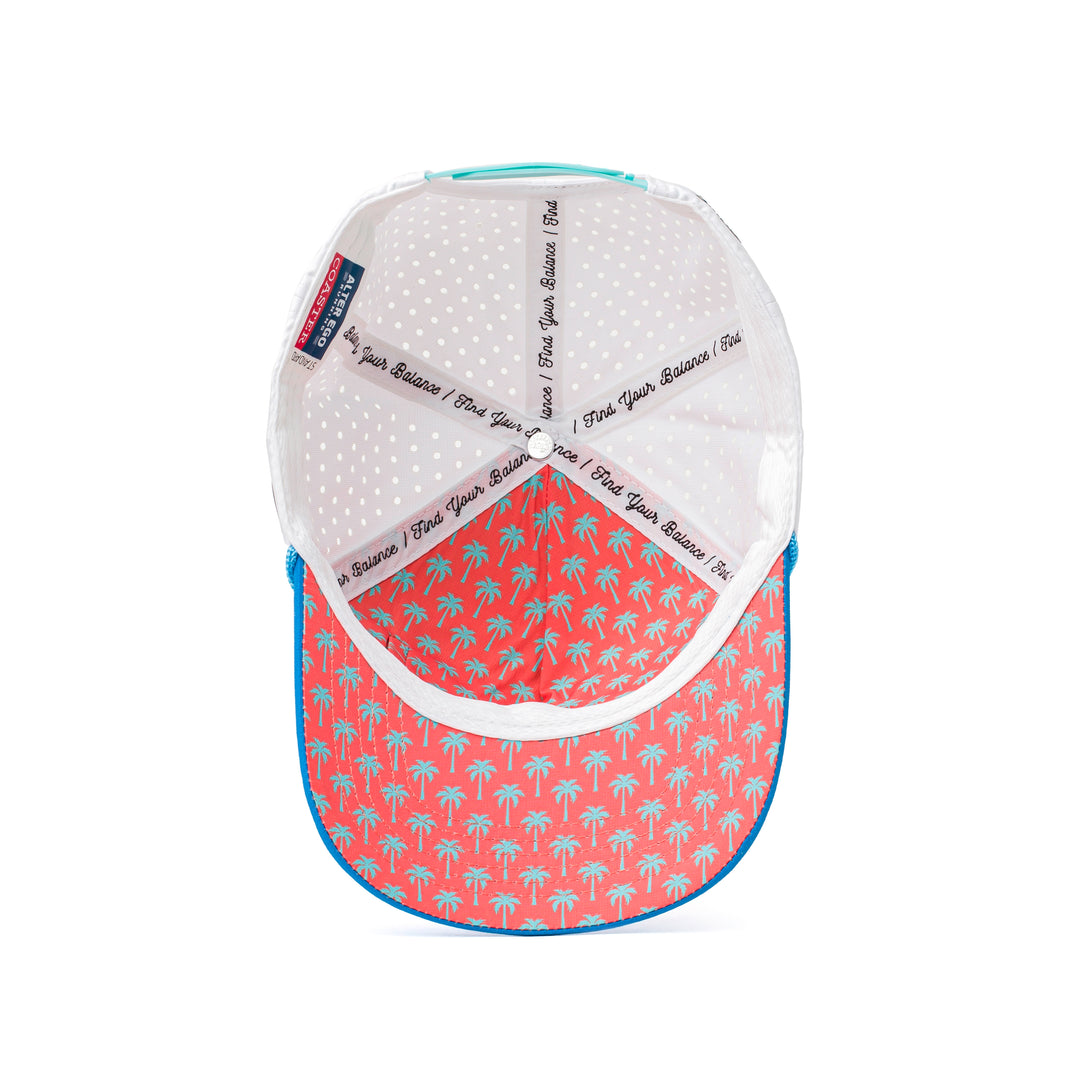
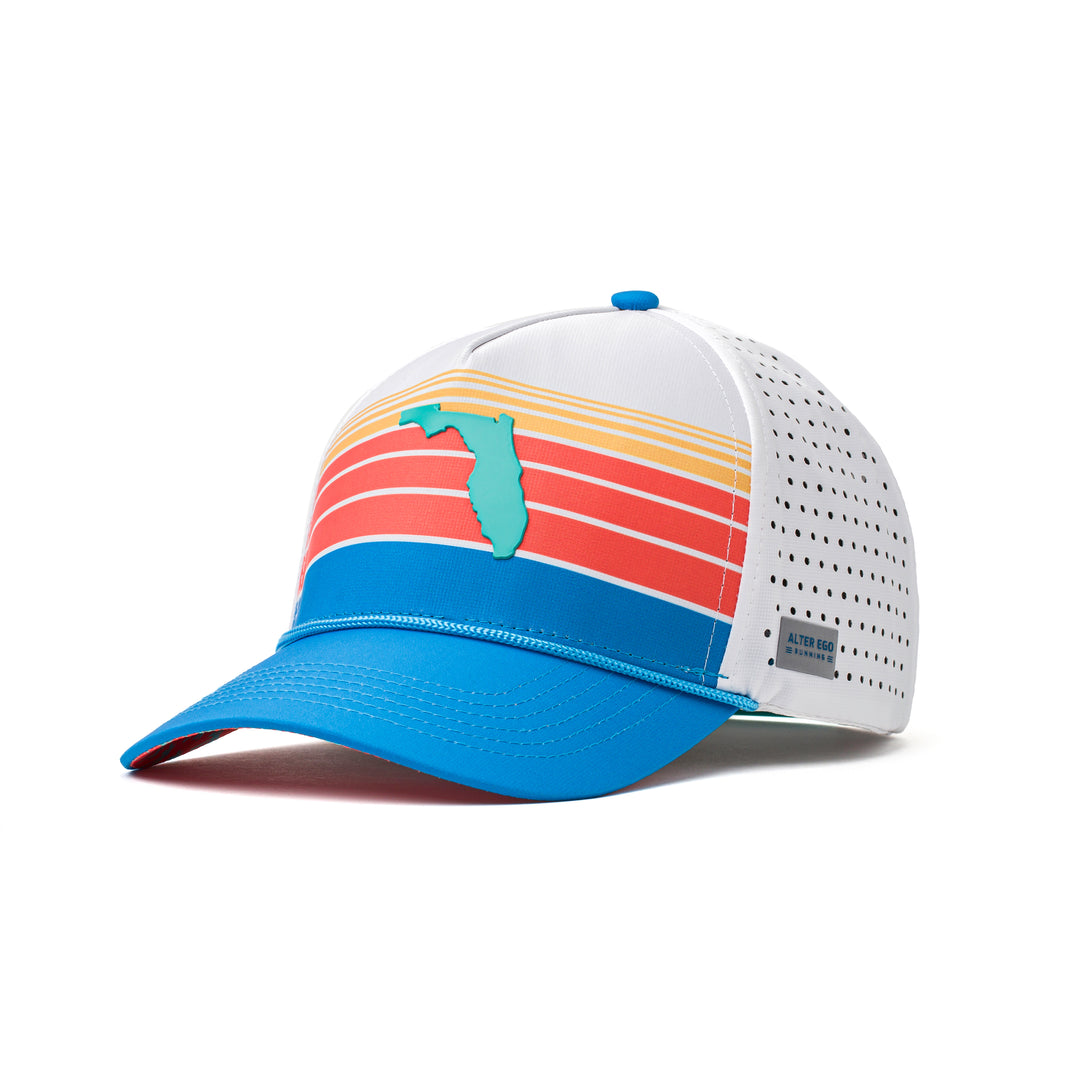
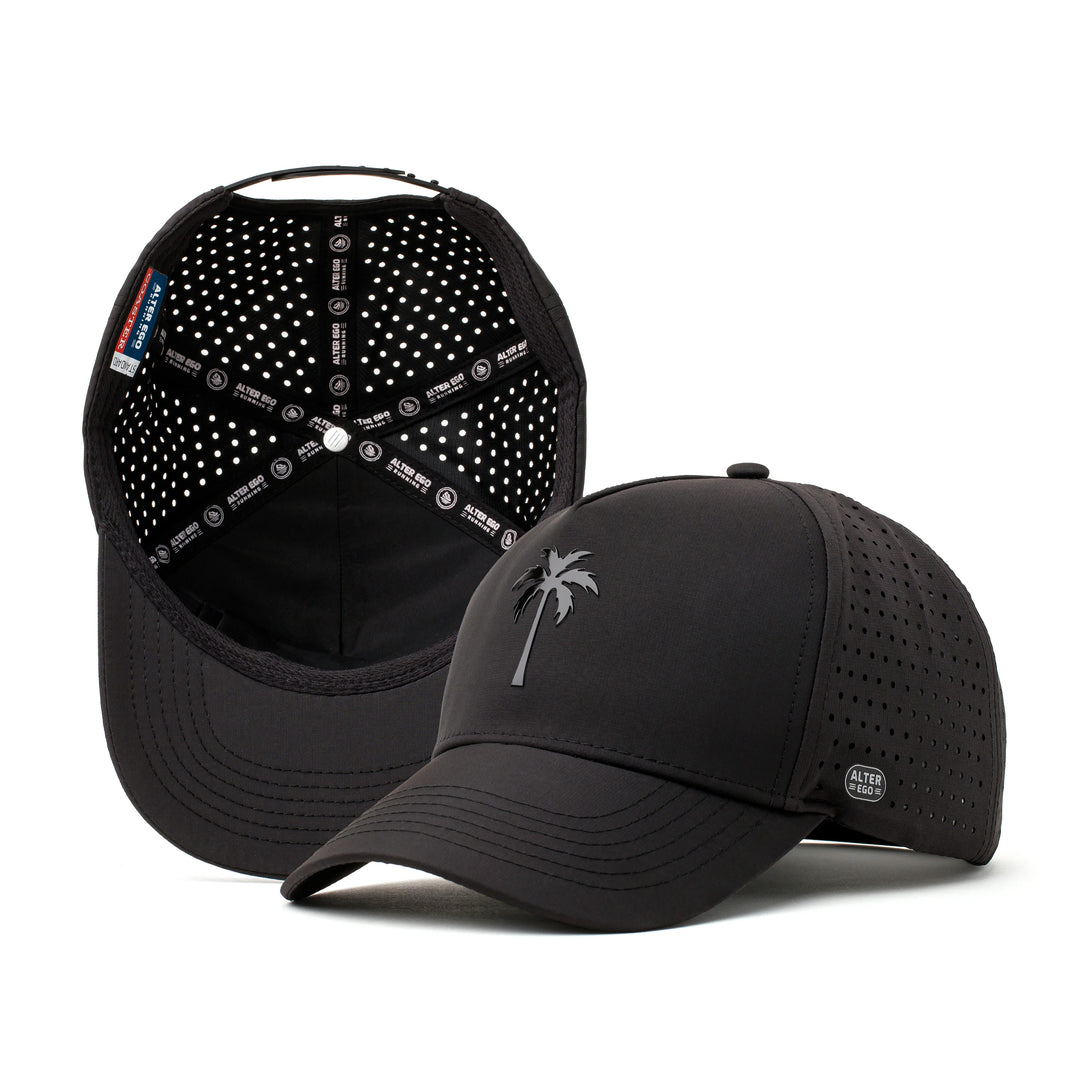
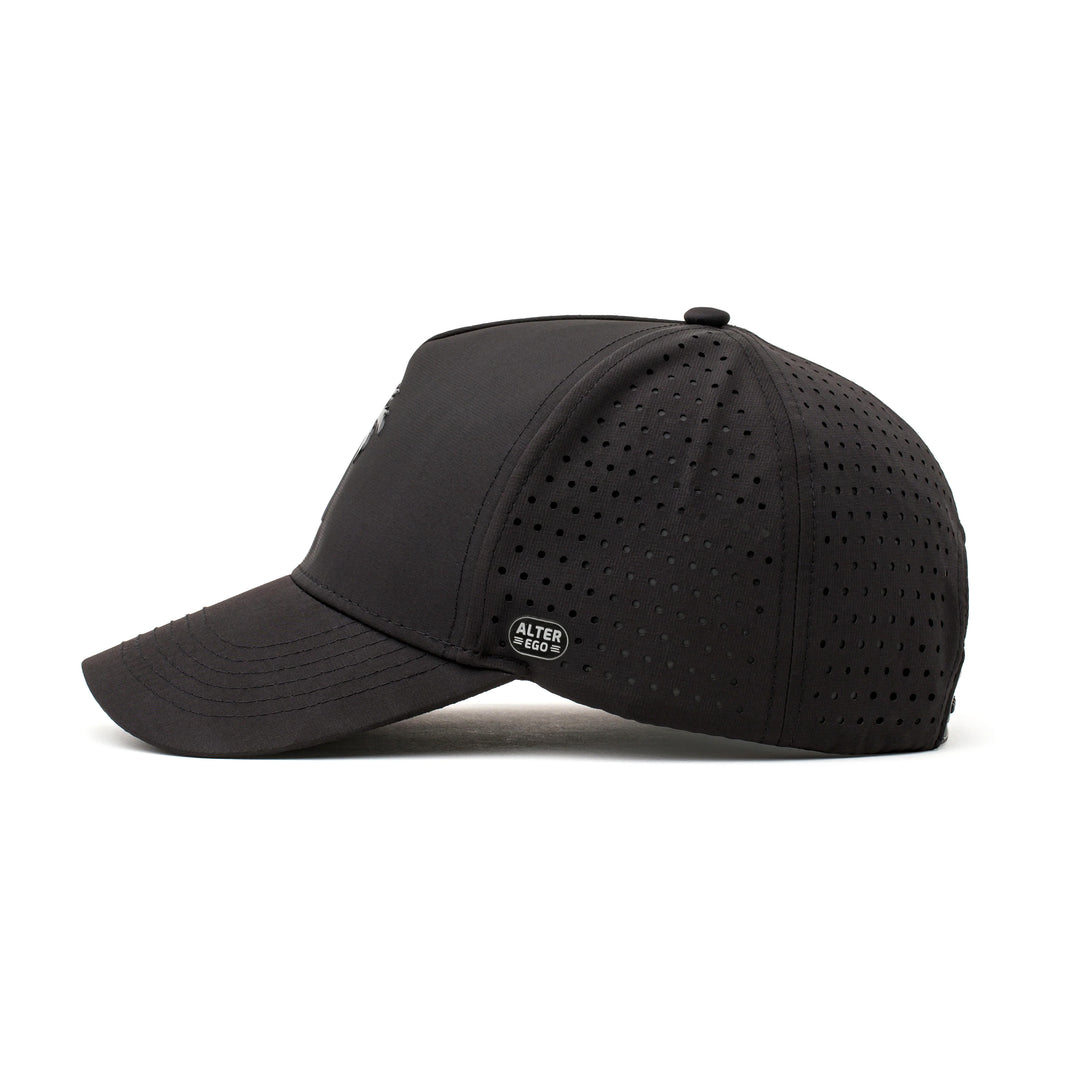
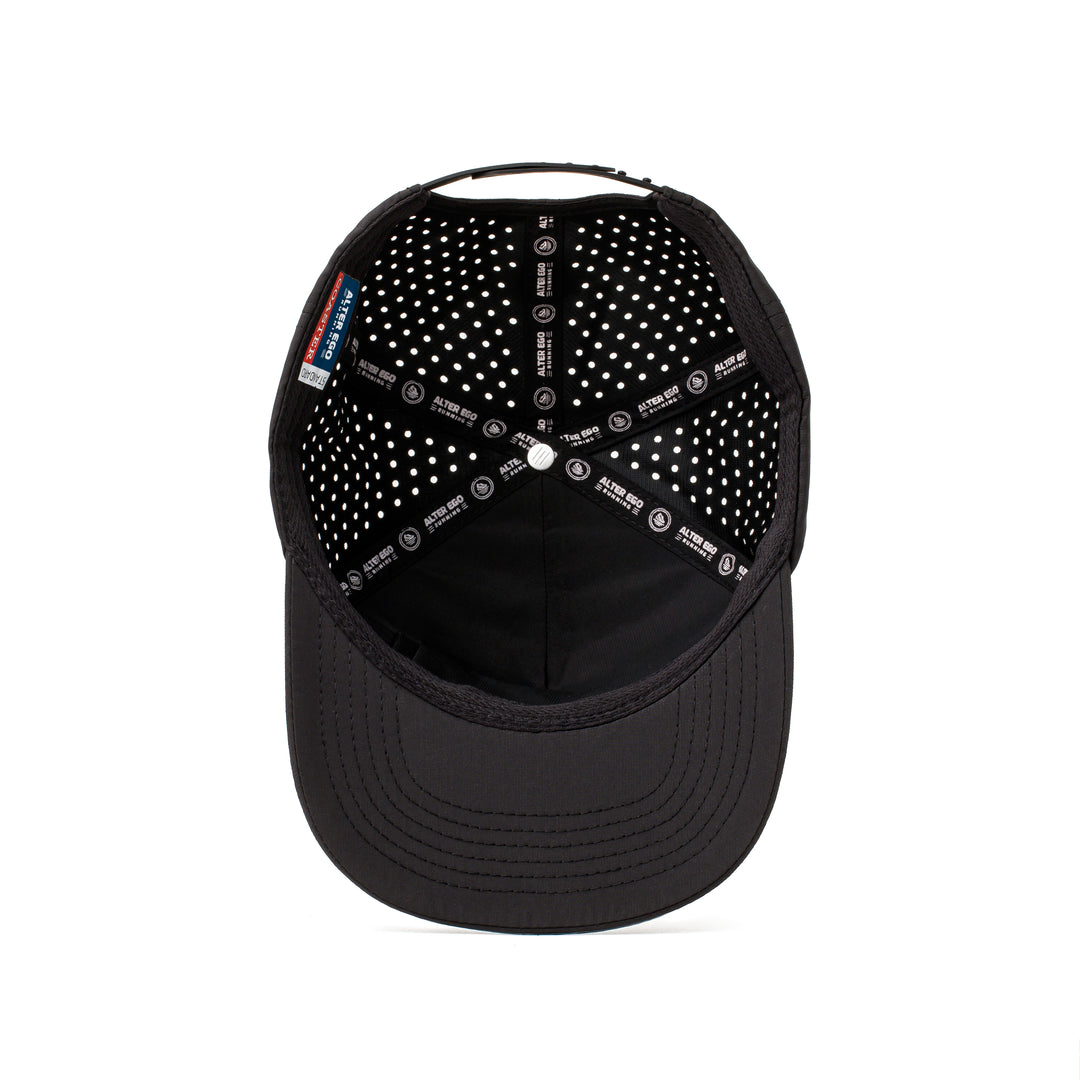
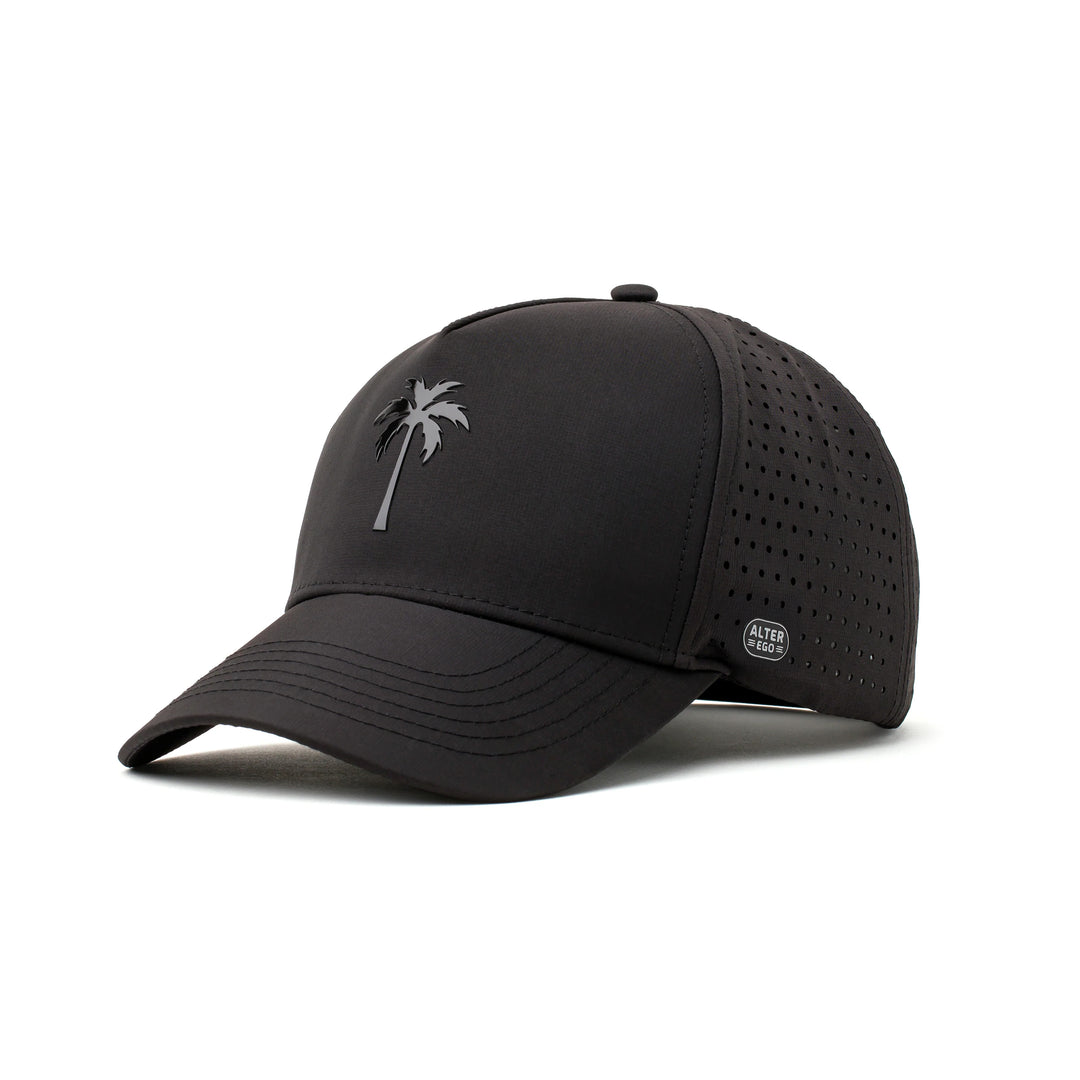
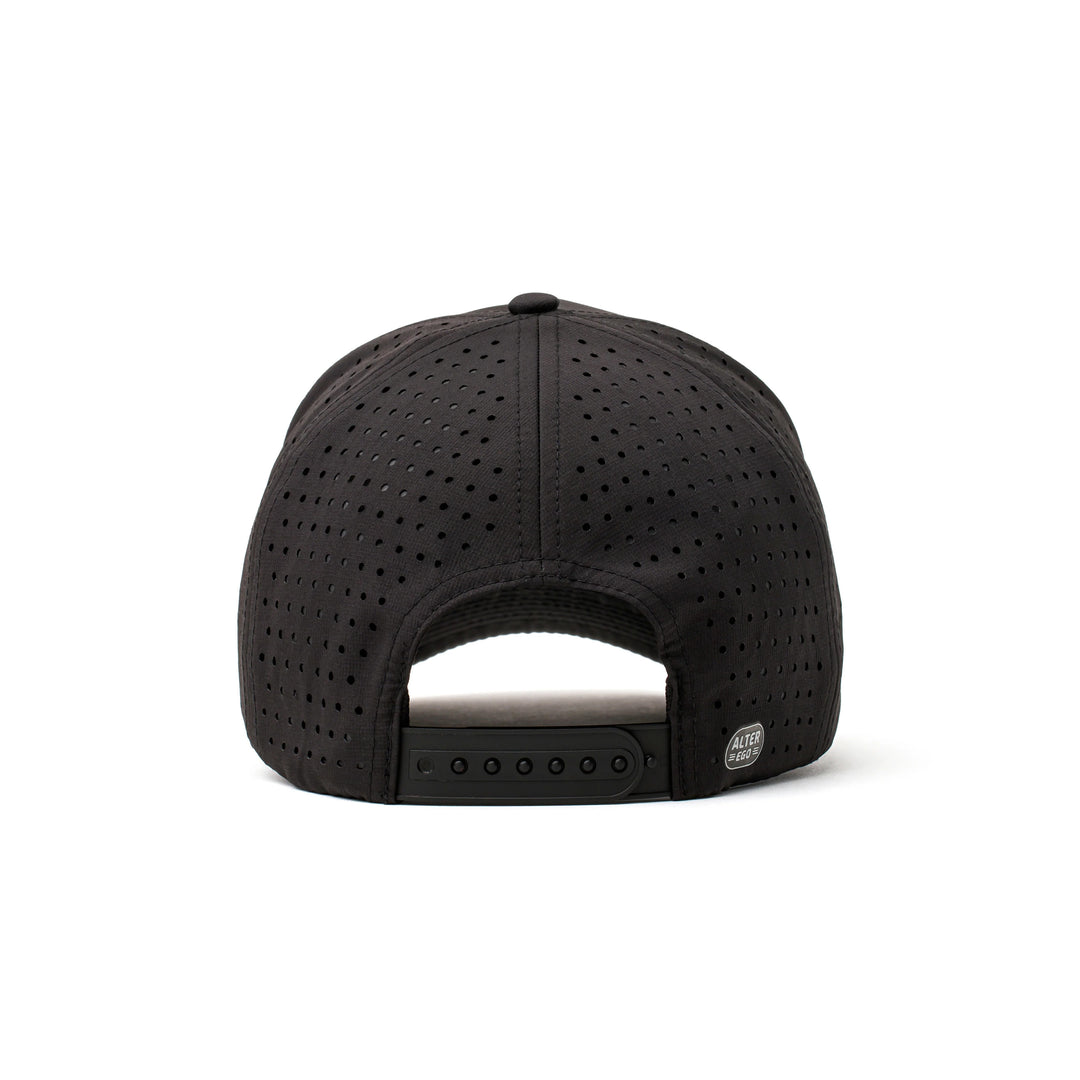
8. Technological Advances and Performance Enhancement: Advancements in running shoe technology, apparel, and training techniques have revolutionized the sport. From lightweight running shoes to GPS-enabled smartwatches, runners now have access to tools that enhance their performance and overall running experience. Running hats are one of the most underrated yet impactful upgrades a runner can make, evolving from basic cotton caps to performance-engineered accessories with moisture-wicking fabrics, ventilation, and sun protection. If you are wondering what the latest innovations in running gear look like in practice, a good place to start is with what is on your head. Alter Ego Running's hat collection is built specifically for runners, with multiple fits designed for different head shapes, running styles, and conditions. And if you are looking to upgrade beyond the hat, the Alter Ego Running gear collection has you covered with apparel built for the same performance standards.
Not sure if you need one? Read 7 Reasons Every Runner Needs a Hat and explore our hat fit guide to find your fit.
9. Running for Charity and Social Causes: Running events have evolved beyond personal achievements, becoming platforms for charitable fundraising and social awareness. Countless running events worldwide support various causes, making running a vehicle for positive change.
The evolution of running is a testament to its enduring significance in human history. From its role in early human survival to its transformation into a global sport, running has transcended cultural, social, and technological boundaries. Today, running stands as an inclusive and empowering activity that unites people of all ages, backgrounds, and abilities. As we look to the future, one thing remains certain: running will continue to evolve and inspire generations to come, leaving a lasting legacy of health, community, and human resilience. So, as you lace up your running shoes and hit the road or trails, take a moment to appreciate the rich history and evolution of the sport that propels us forward both physically and spiritually. Happy running on this timeless journey of movement and discovery!
Commonly Asked Questions
Q1. When was running invented?
Running was never formally invented. It evolved naturally over roughly 2 million years of human evolution, long before recorded history.
Q2. Who invented running?
No individual invented running. It developed as a survival behavior in early humans and gradually became organized competition across ancient civilizations.
Q3. What year was running invented?
There is no specific year. The earliest recorded competitive running event was the stadion race at the ancient Olympics in 776 BCE.
Q4. Is running the oldest sport in the world?
Yes, running is widely recognized as one of the oldest sports in the world. The stadion sprint at the ancient Olympics is among the earliest documented competitive sporting events in history.
Q5. What does "generational run" mean?
In modern running culture, a generational run refers to the tradition of running passed down within families or communities across generations, from parents who ran their first marathon to children who follow the same path. If you are gearing up for yours, read The Ultimate Guide to Marathon Race Day to prepare.
Q6. How did running become a popular sport?
Running grew from ancient running ceremonial and competitive roots into a mainstream activity during the 1970s running boom, when recreational runners and marathon culture expanded globally beyond elite athletics.
Q7. What are the most famous races in the world?
The world's most celebrated races include the six Abbott World Marathon Majors: Tokyo, Boston, London, Berlin, Chicago, and New York City. Not sure where to start? Read about the 6 Key Differences Between a 15K and a Half Marathon to find the right distance for you.


