Structured or Unstructured: How to Pick the Right Hat for Your Sport and Style

You've been staring at the same two hats for five minutes. One holds its shape without a head inside it. The other collapses flat the moment you set it down. Both look good. Both are the right color. So which one do you actually buy?

That question comes down to one thing: structured vs. unstructured. It sounds technical, but once you understand what each construction actually does, the decision gets a lot easier.

Alter Ego structured and unstructured performance hats displayed on a sandy beach
View all Products
View all Products

What Is a Structured Hat?

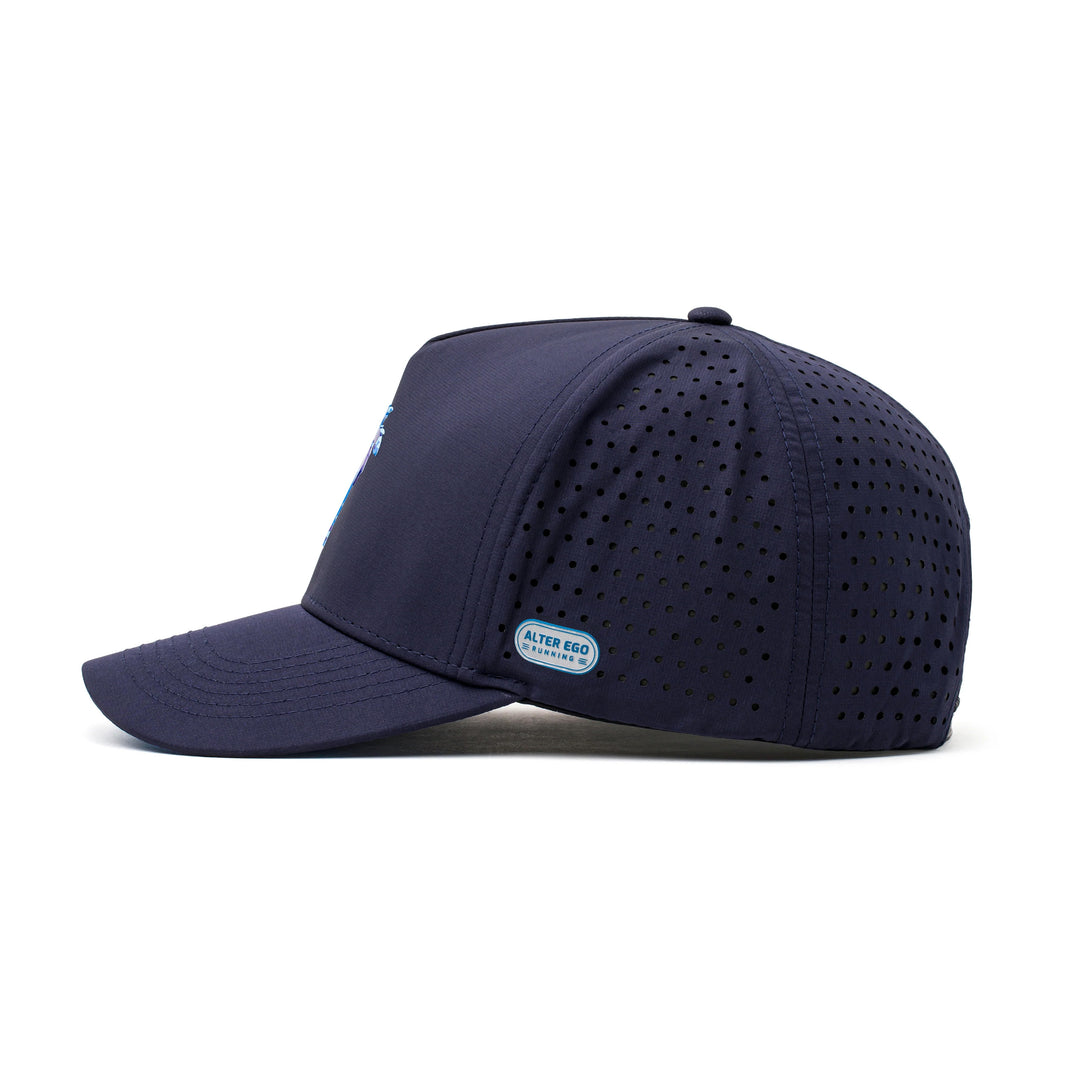
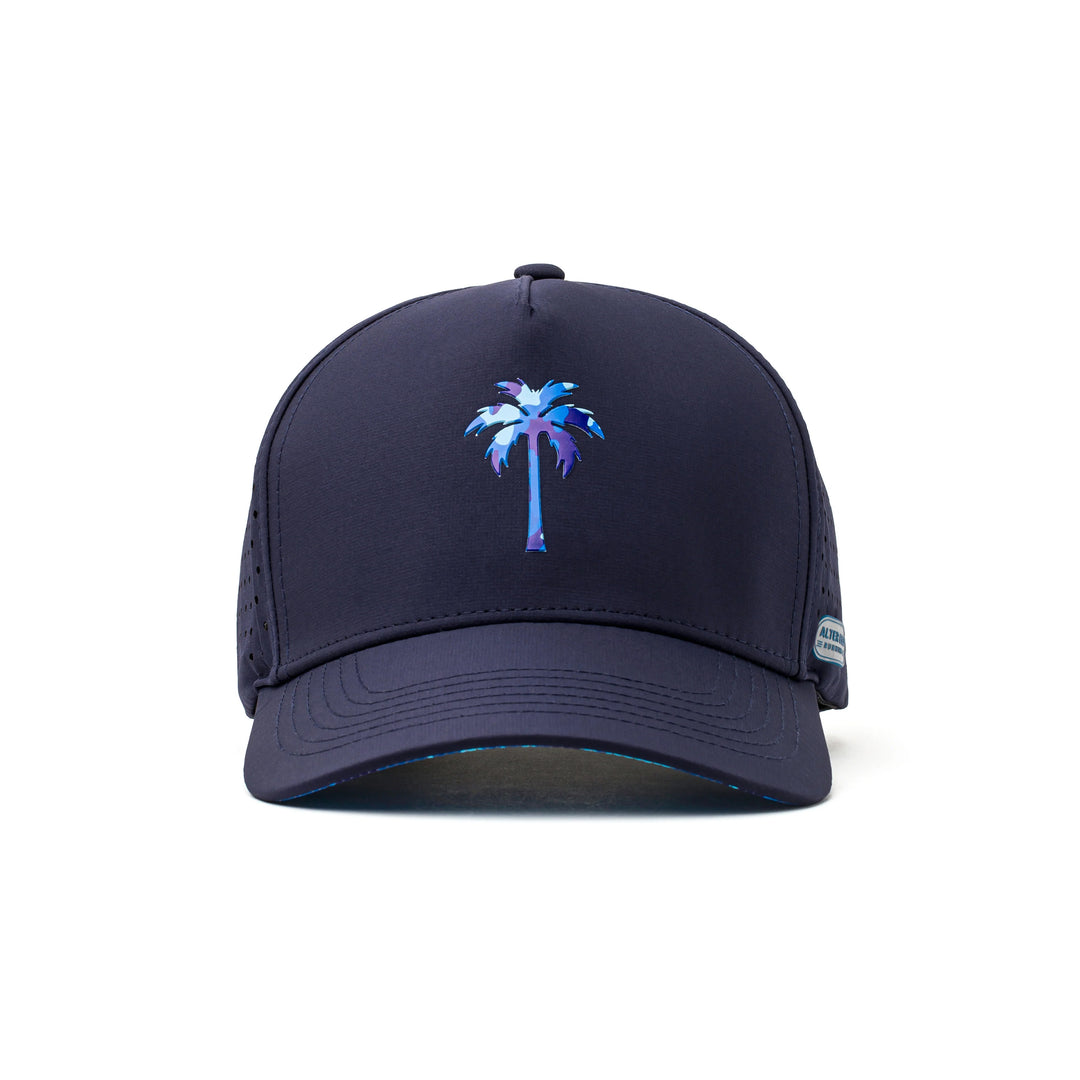
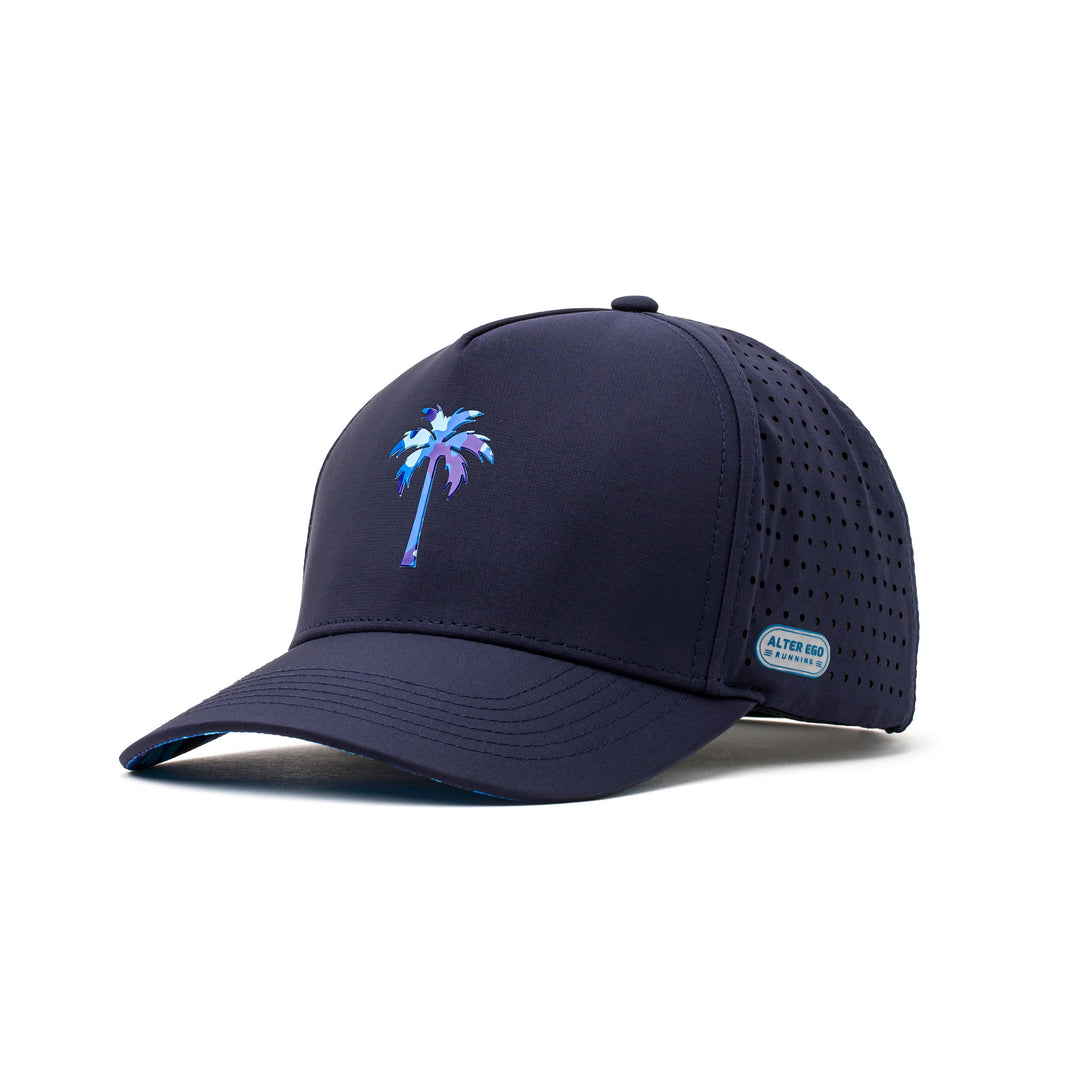
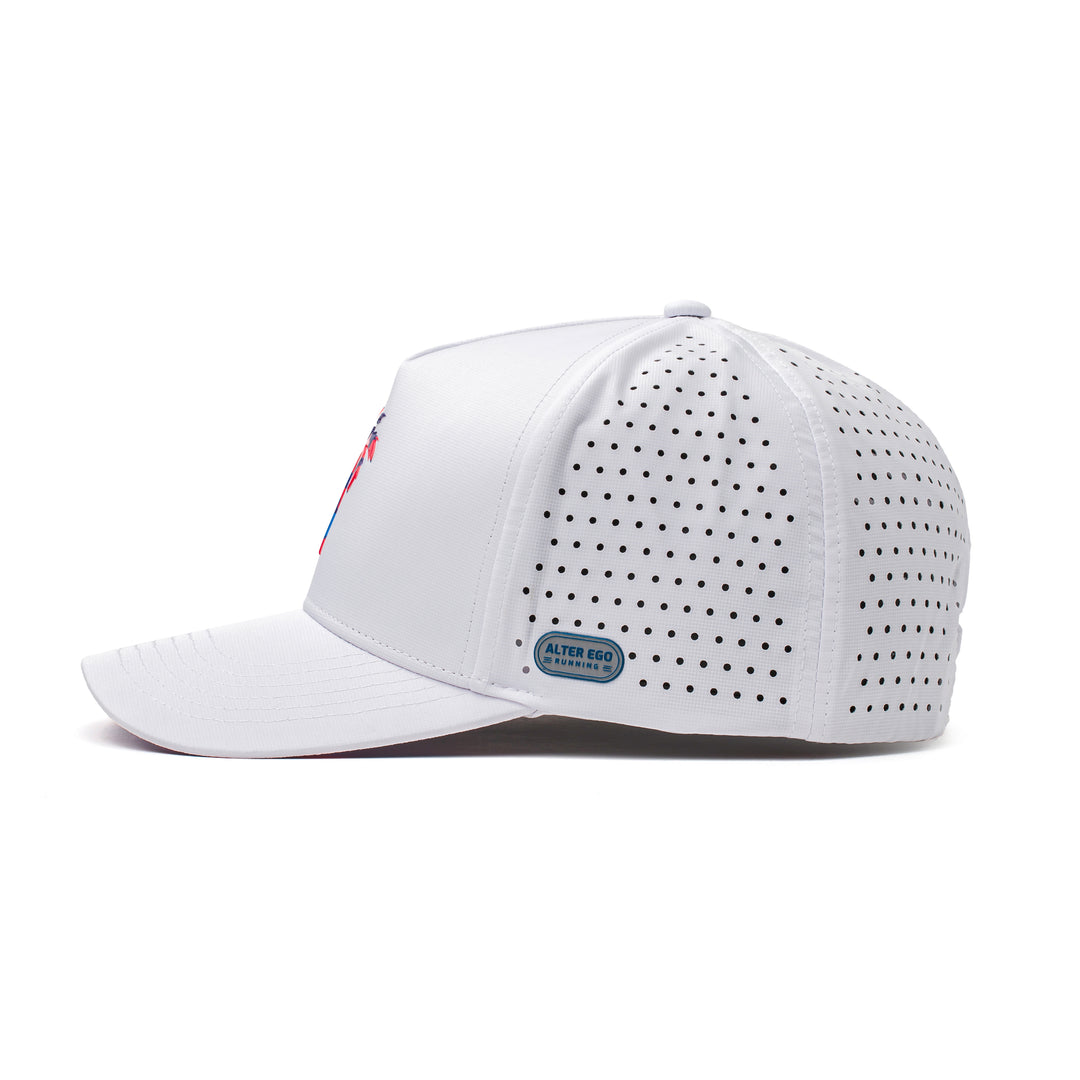
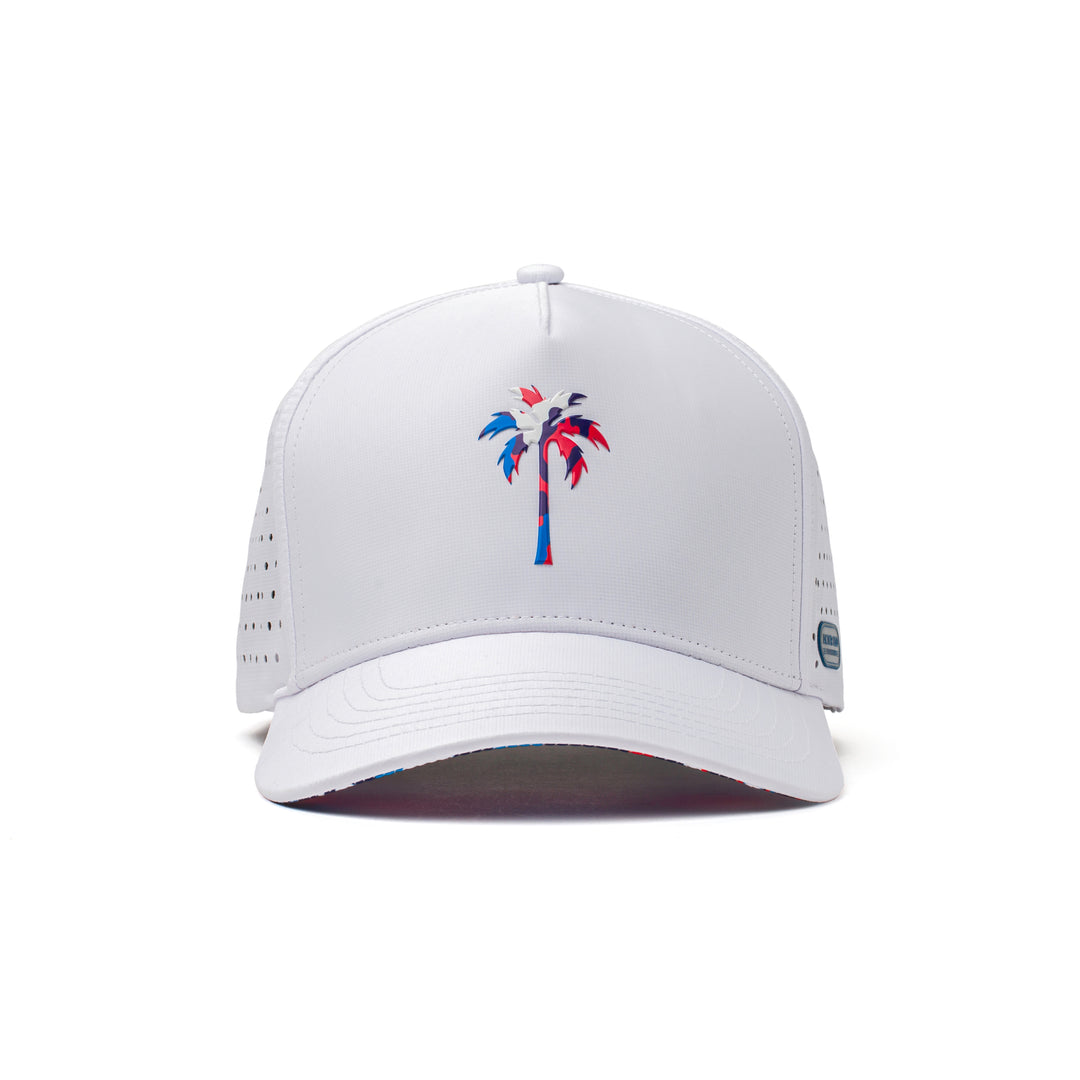
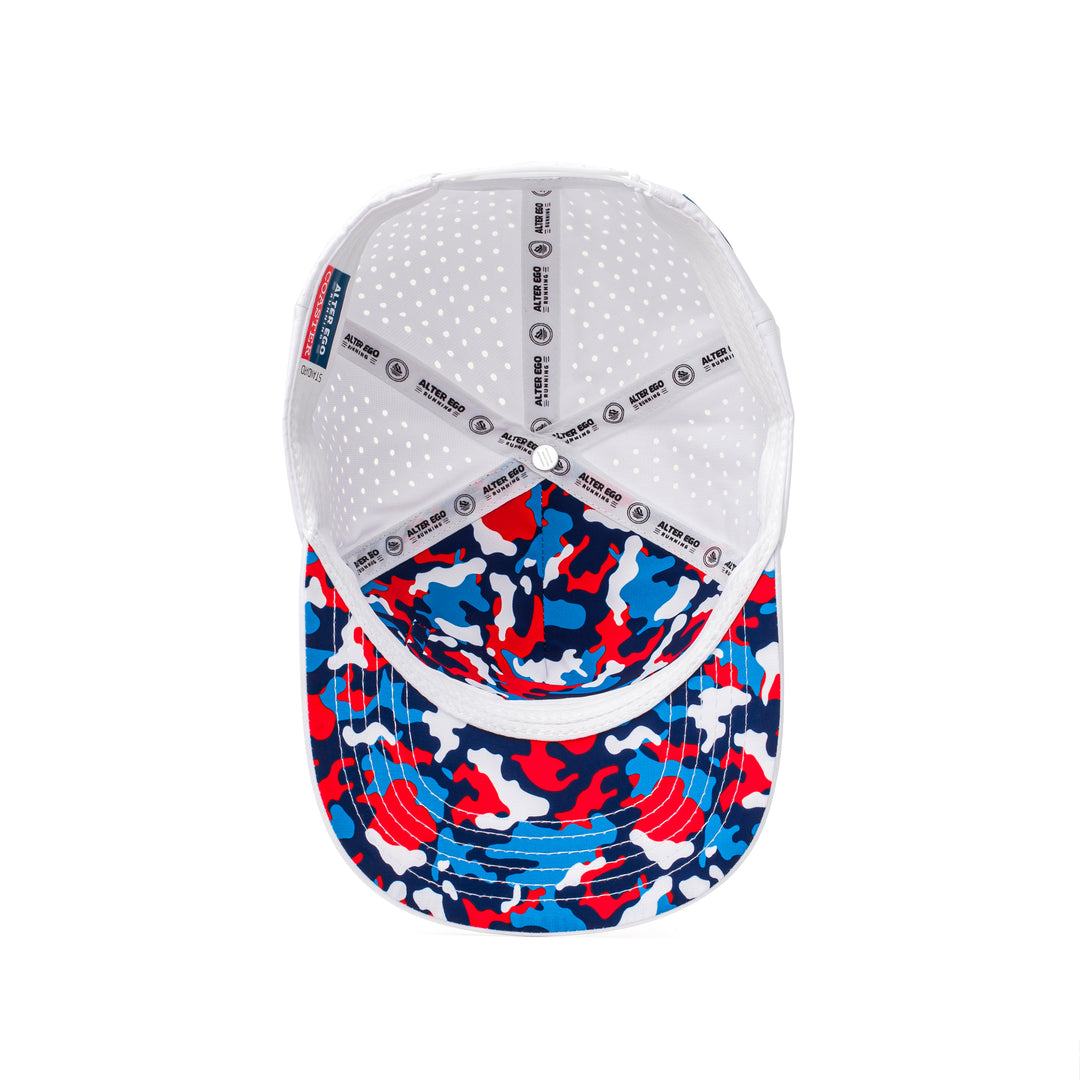
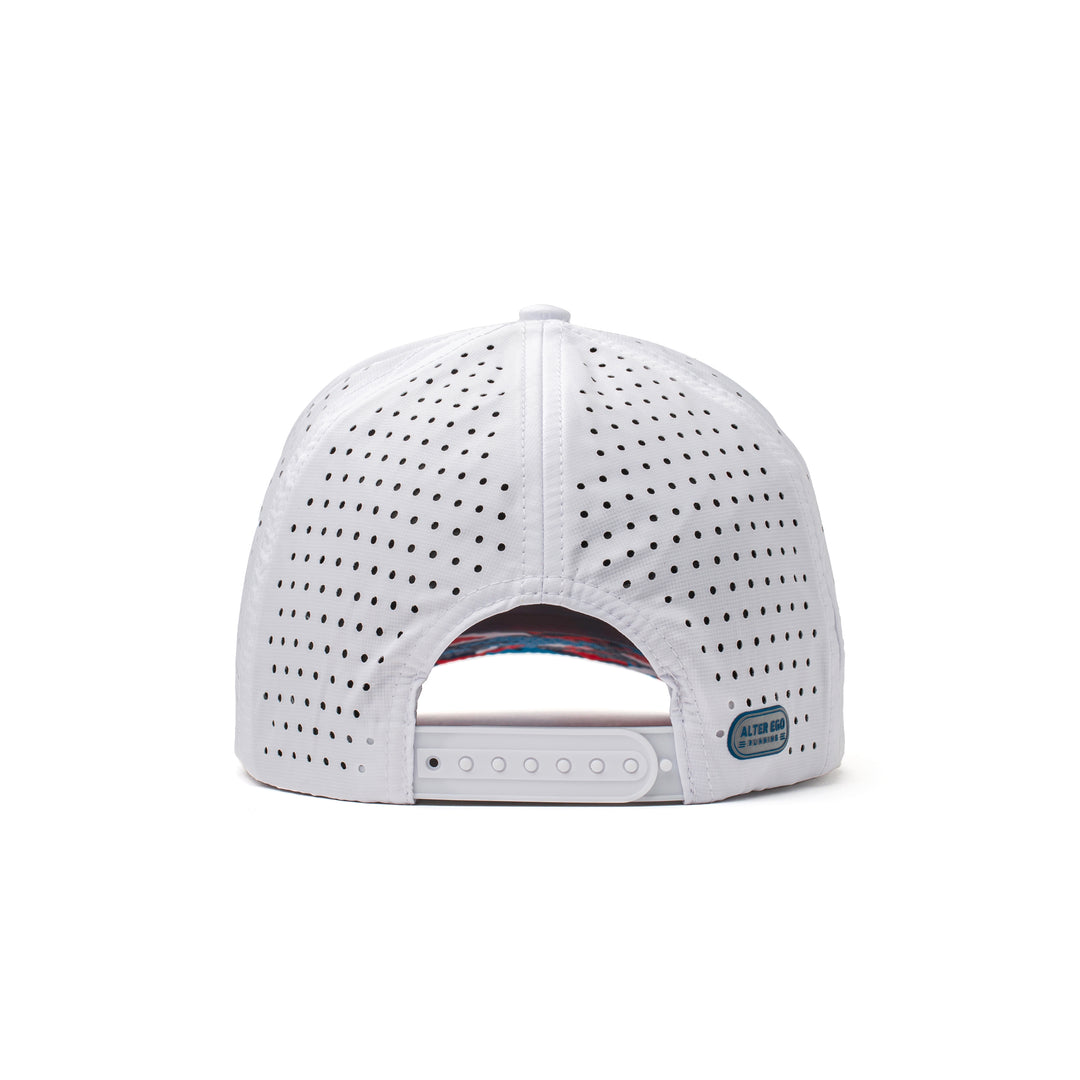
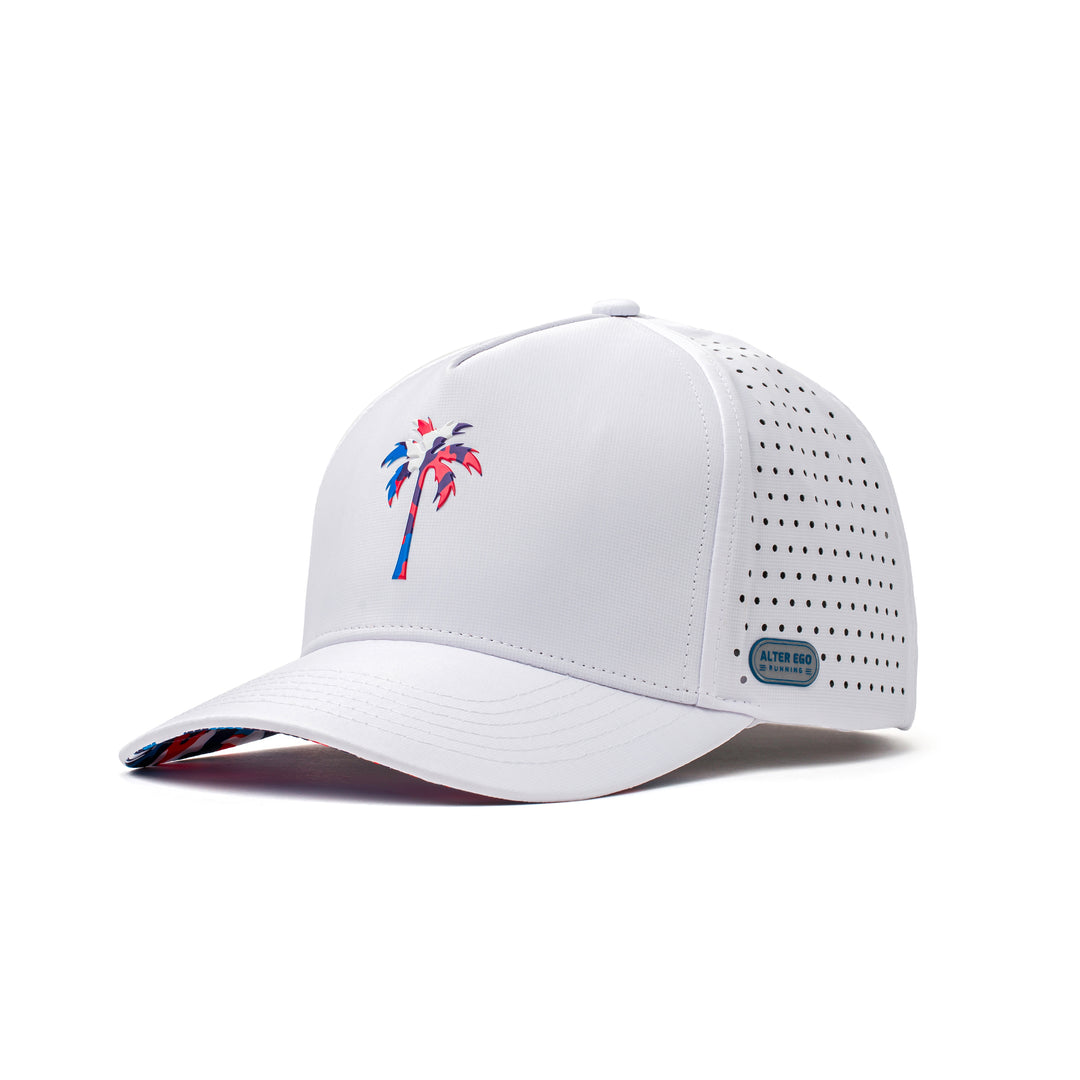
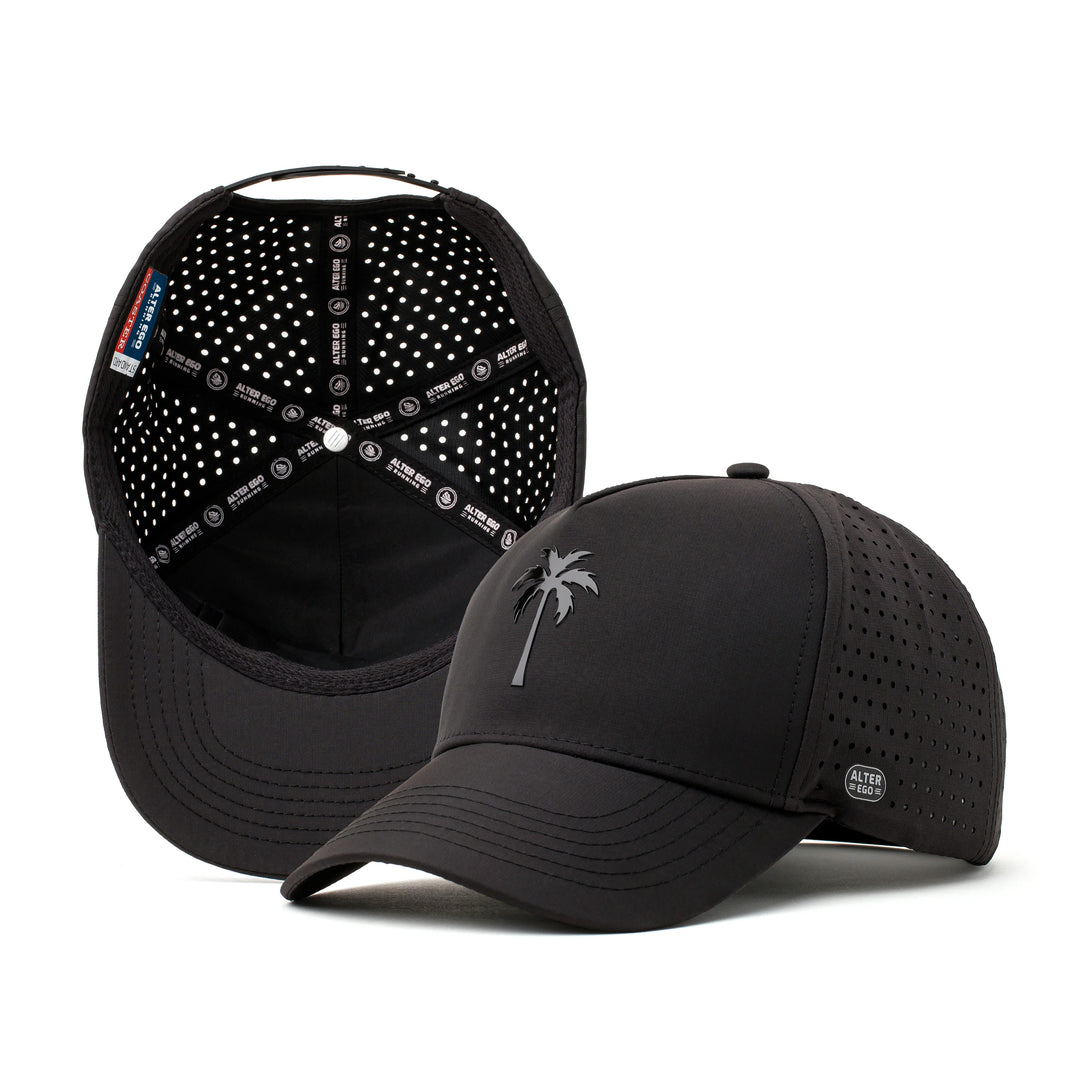
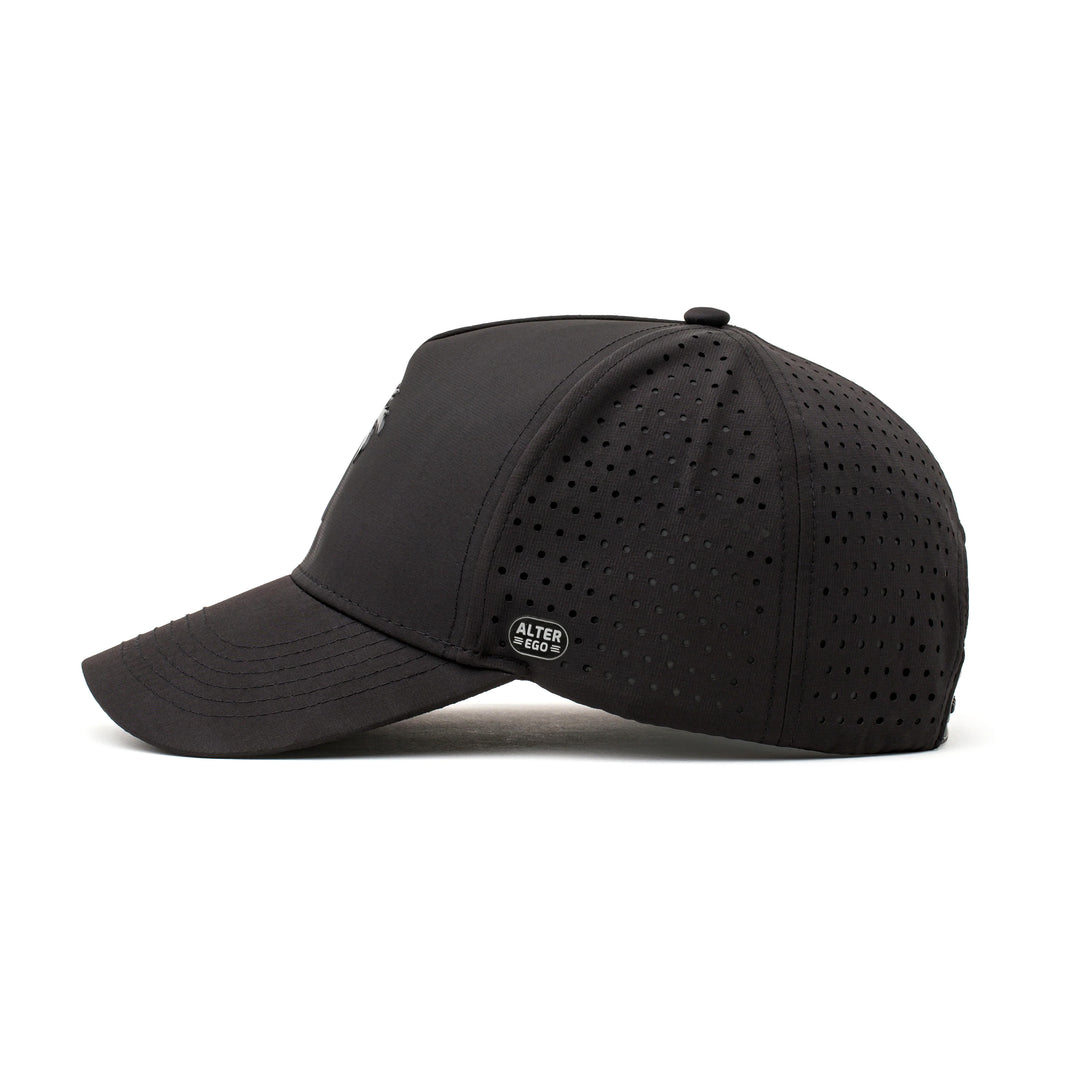
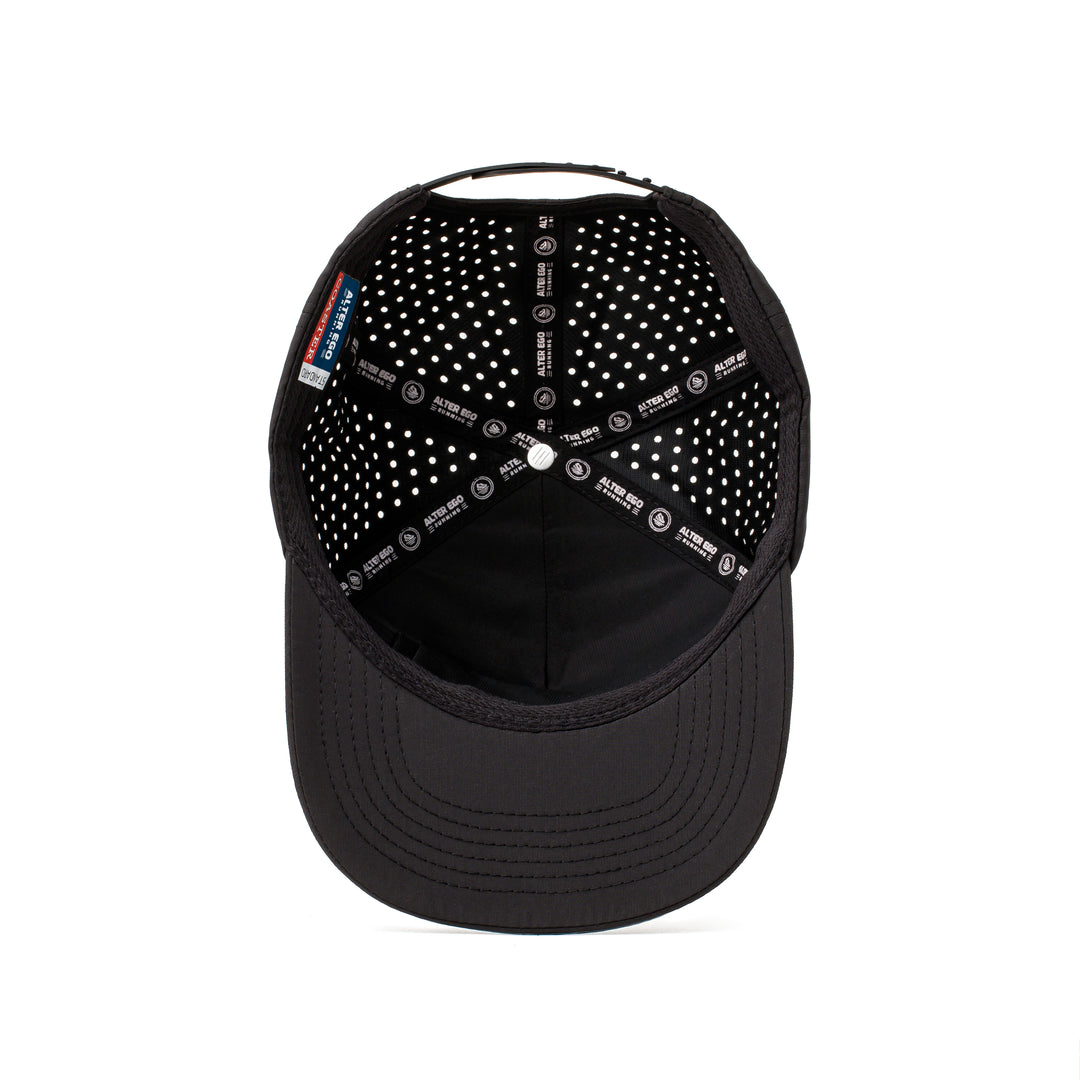
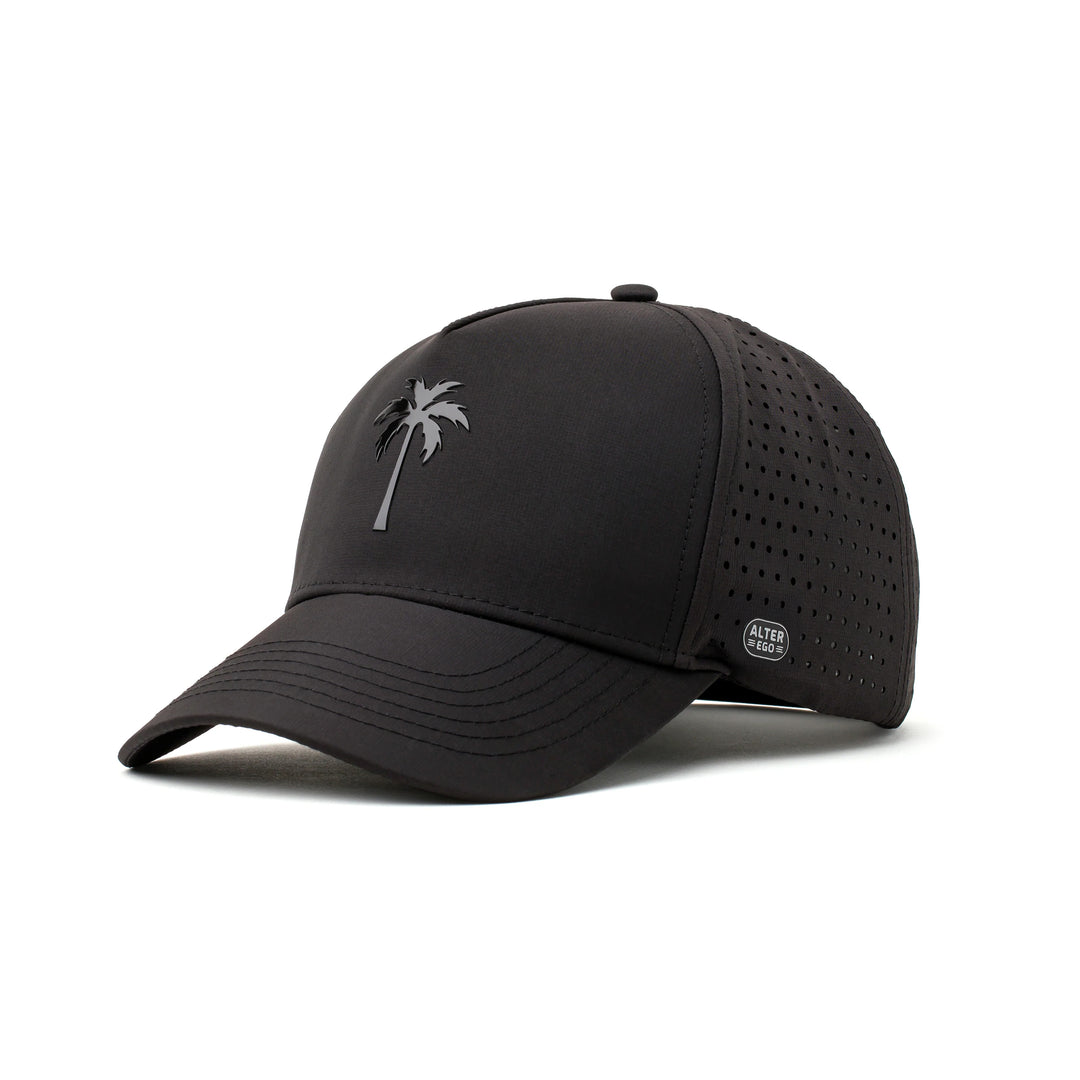
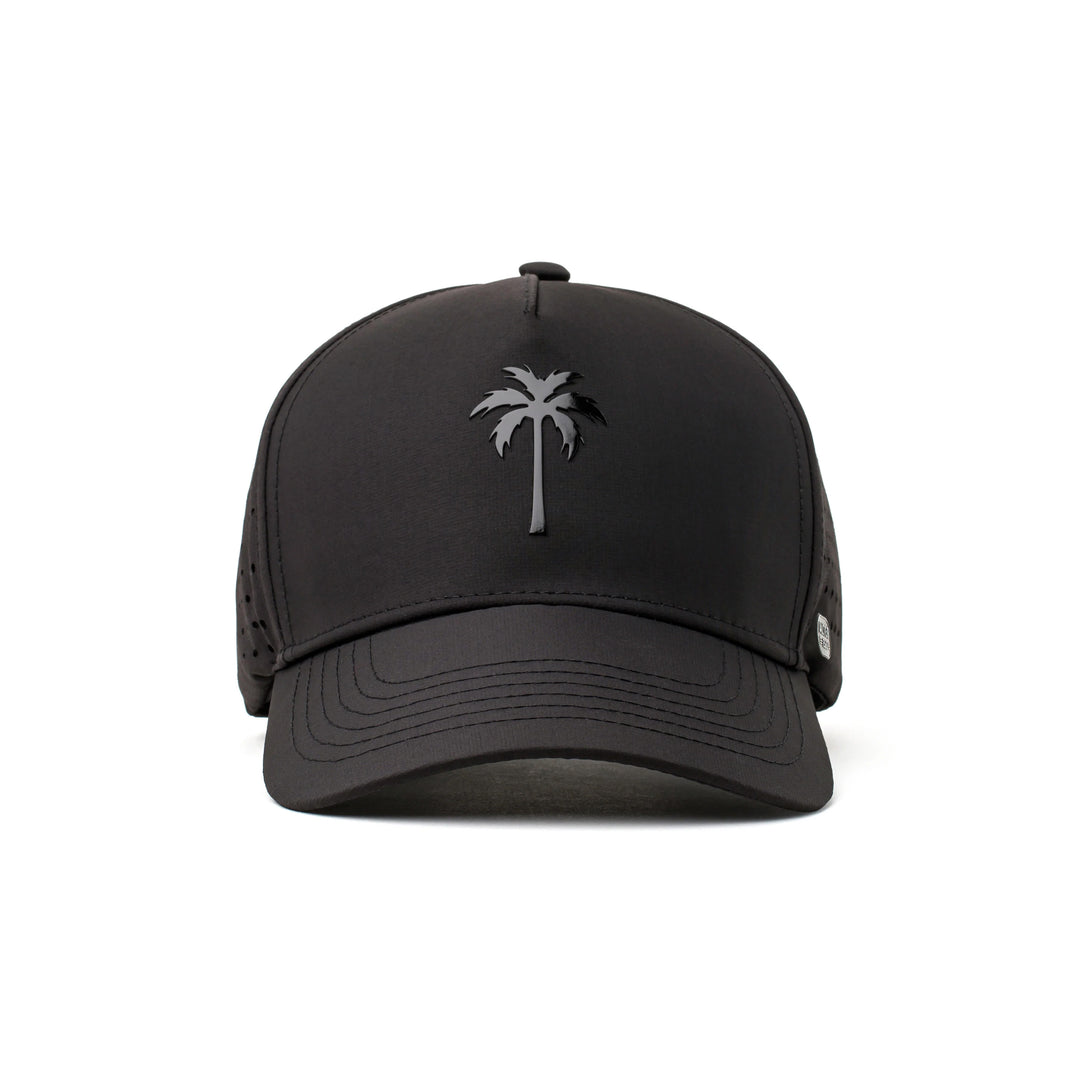
A structured hat has a shape-holding inner lining sewn into the front panels. That lining holds the crown upright on its own. The hat keeps its shape whether it's on your head, on a shelf, or at the bottom of a bag.

Structured baseball caps and performance snapbacks fall into this category. The front panel stands tall. The silhouette is clean and consistent. You get a hat that looks intentional every single time you put it on.

Where structured hats shine:

  • Consistent profile from the first wear
  • Easy to style with casual outfits because the shape does the work
  • Holds up well through high-output runs without losing form
  • Works well for custom branding orders

For styling ideas with a structured cap, check out What Your Running Hat Says About Your Personality.

AlterEgo’s structured fits:

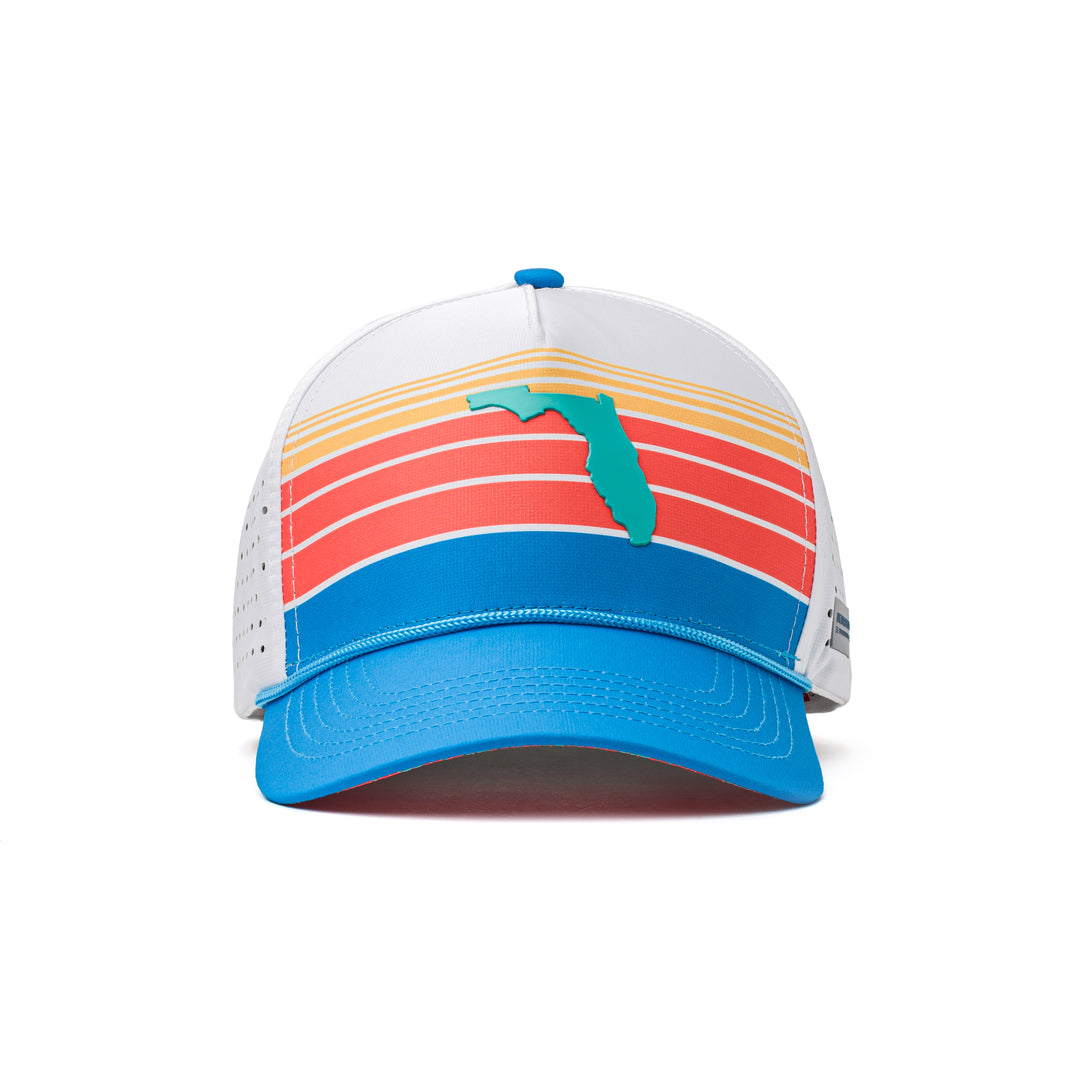
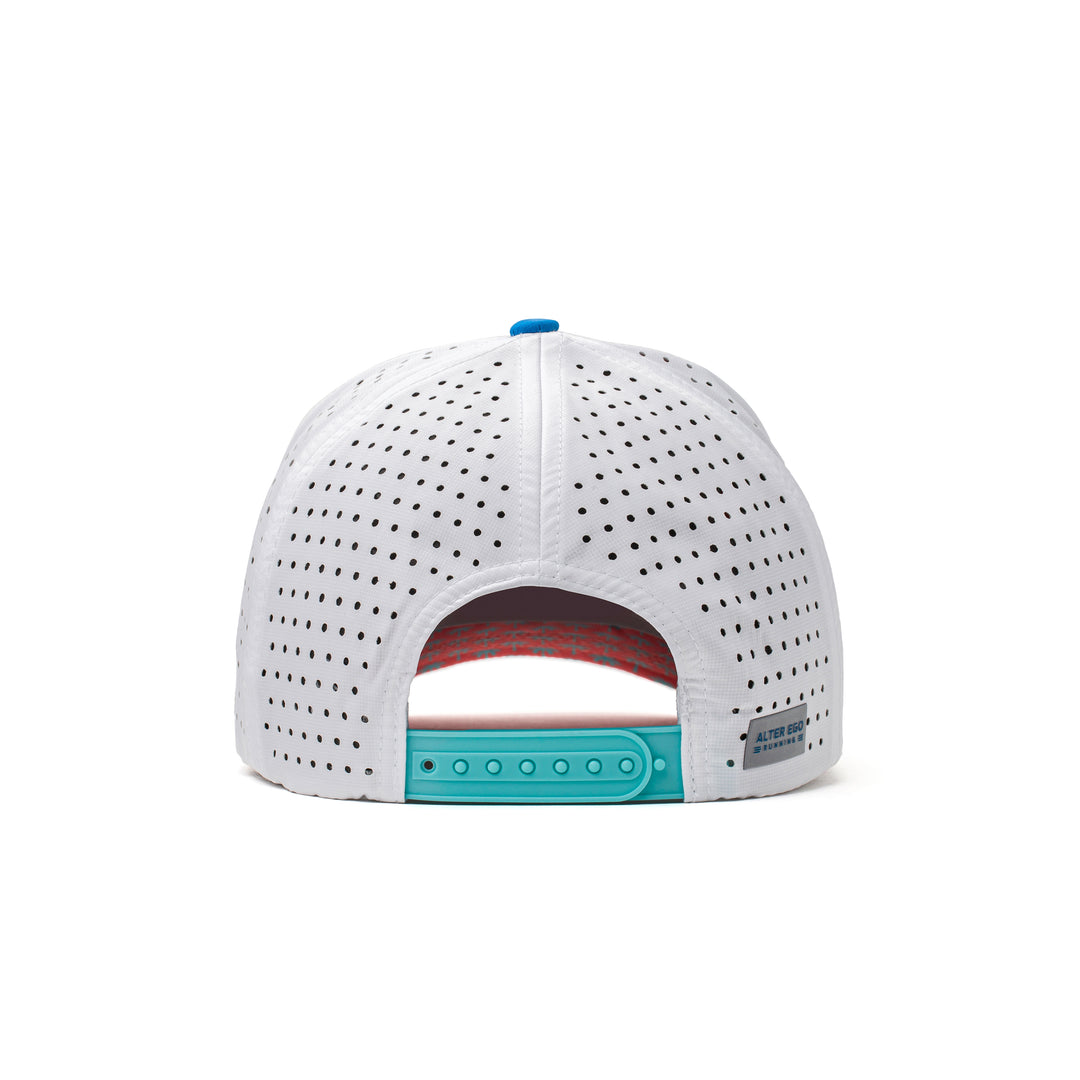
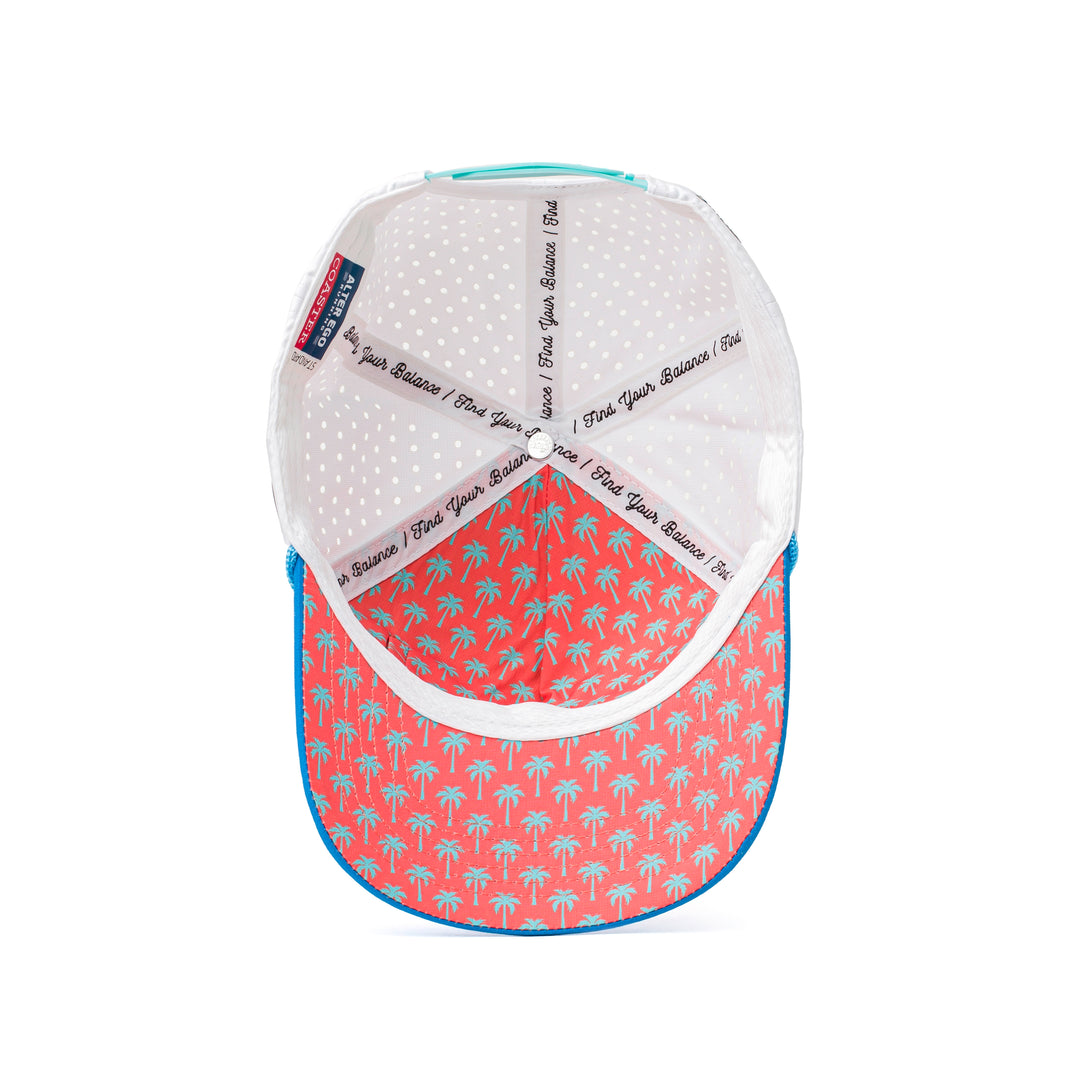
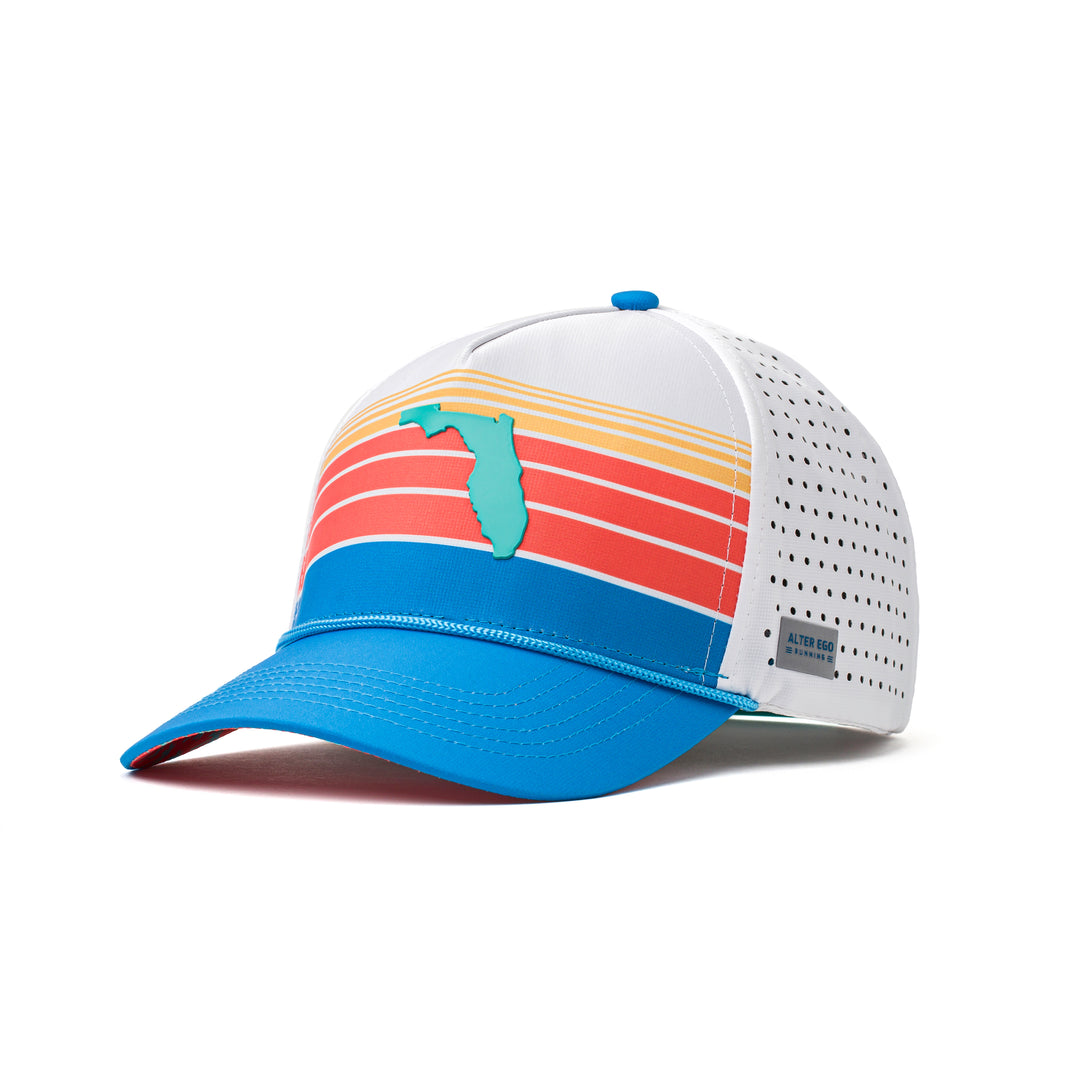
  • Coaster Fit - mid-height structured trucker with a Hidden AER Run Pocket built into the crown
  • Trotter Fit - low-profile, rounded 6-panel for a cleaner, closer-to-the-head feel
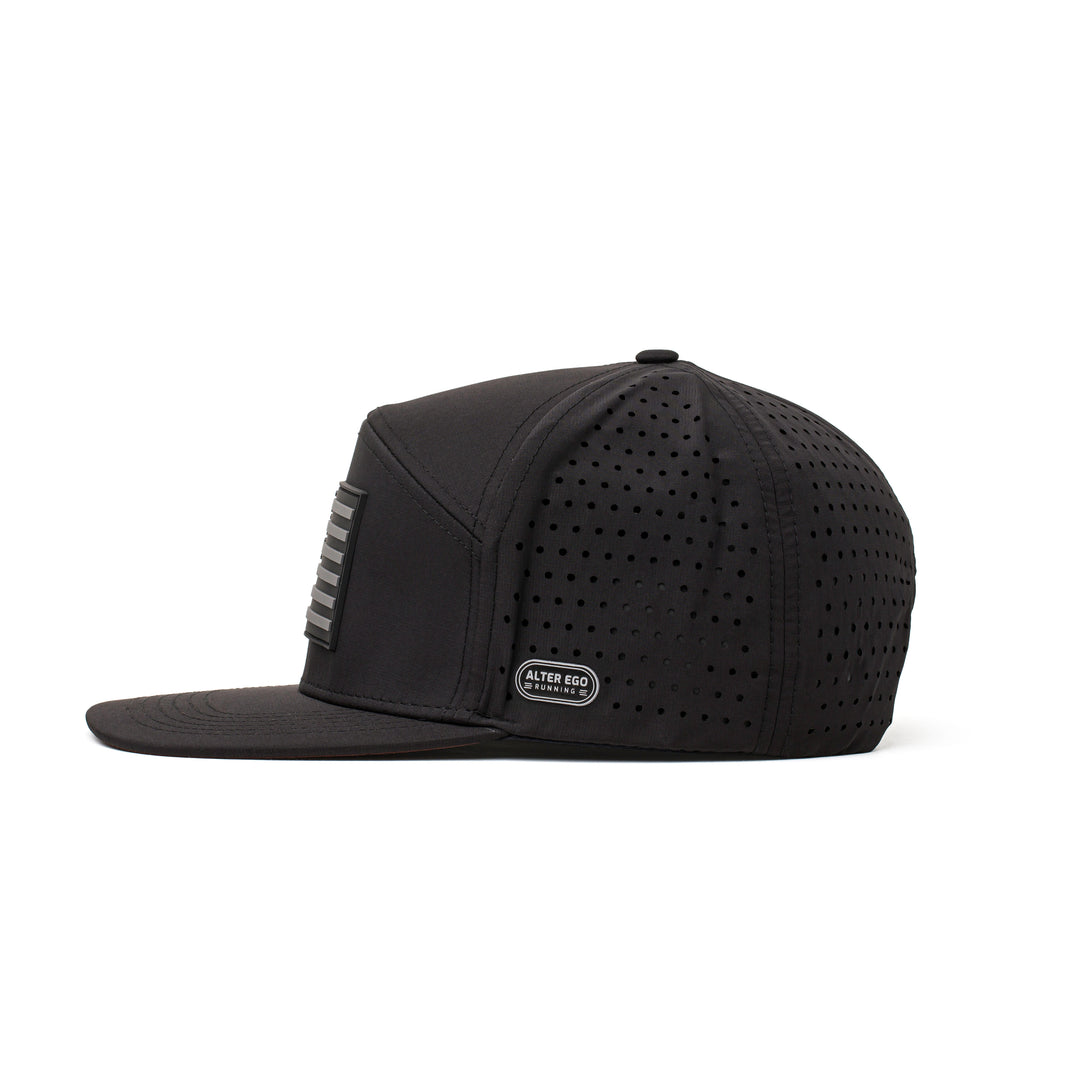
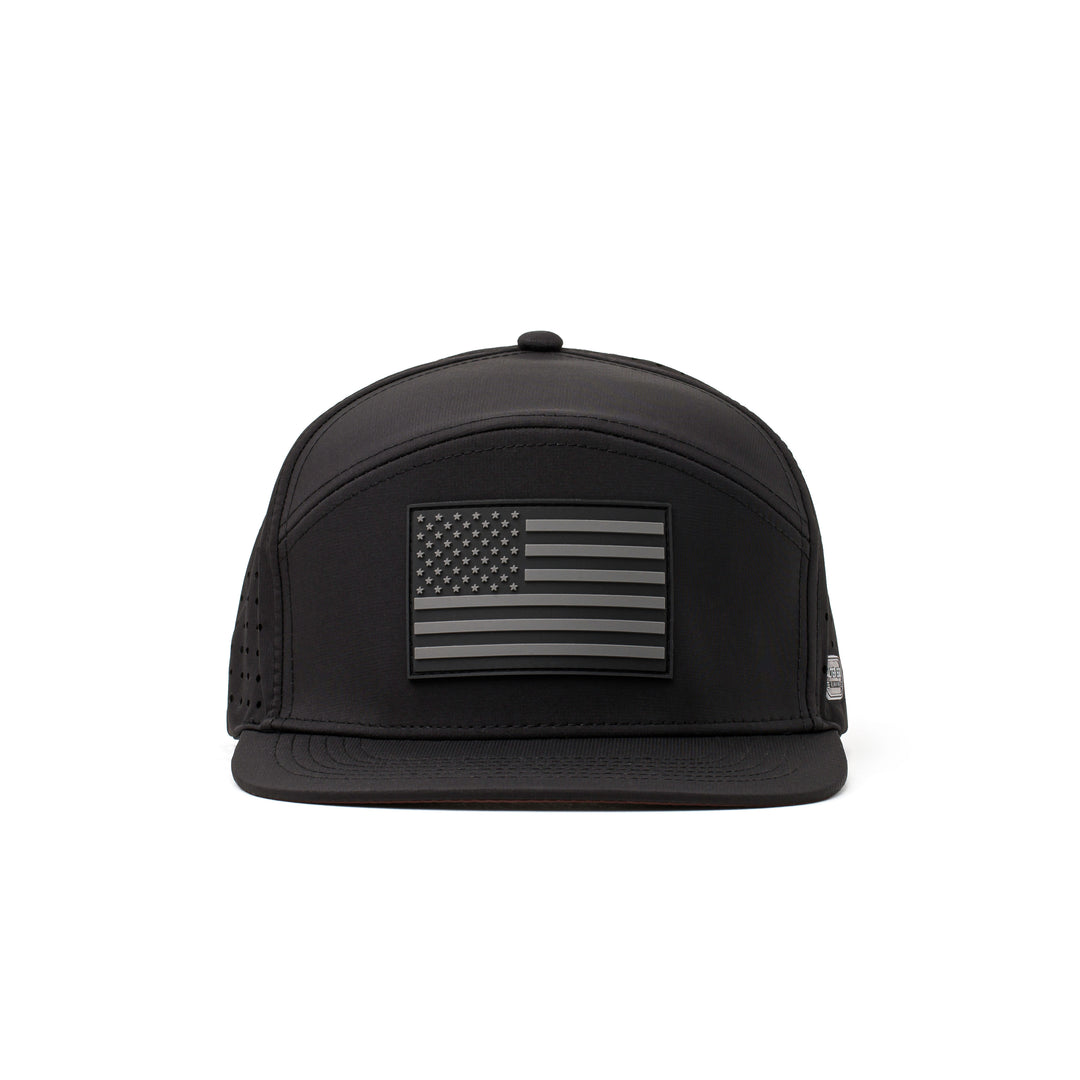
  • Drifter Fit - flat brim, bold horizontal silhouette, reflective elements for low-light runs

What Is an Unstructured Hat?

An unstructured hat has no inner lining in the front panels. The crown softens and molds to your head over time. Without the added lining material, they are lighter, easier to pack, and feel less constricting over long efforts. The crown takes its shape from your head rather than dictating it.

Where unstructured hats shine:

  • Lighter on long efforts and warm-weather runs
  • Packs flat without permanently losing shape
  • More forgiving of smaller head sizes
  • Easier to stuff into a bag and pull out later

AlterEgo’s unstructured fits:

  • Cruiser Fit - fully unstructured and collapsible, perforated side panels for maximum airflow, reflective logo for early-morning visibility
  • Traveler Fit - unstructured front paired with a structured bill; the hybrid for runners who want a relaxed feel without giving up shape at the brim

Structured vs. Unstructured Hats: The Core Differences

Structured vs. Unstructured Hats: The Core Differences

FeatureStructured Hat
CrownHolds shape on its own
WeightSlightly heavier
PackabilityLess packable
SilhouetteUpright, consistent, clean
Best forEveryday wear, casual styling, custom orders
Fit feelFirmer around the crown
Sizing noteCan run slightly tighter at same setting

The right one is the one that fits how you actually run, not just how you want to look standing still.

How to Choose Based on What You're Doing

  1. Running and racing: For long efforts, a lightweight, unstructured hat tends to win. Less material, less heat retention, softer feel over many miles. On shorter runs or race days where you want to look sharp at the finish line, a structured cap holds its profile even when you're working hard. For a full race-day breakdown, read The Ultimate Guide to Marathon Race Day.
  2. Hot weather and summer training: Lightweight, unstructured hats are ideal for summer. Less material touching your head means faster drying and more breathability. Pair that with moisture-wicking fabric and vented rear panels, and the difference is real on a 90-degree training run. This is where AER's HyperPoly+™ construction earns its place, moving sweat off the head instead of holding it.
  3. Casual wear and everyday styling: Structured hats are easier to style with casual outfits. The upright crown and clean silhouette work across more looks without effort. An unstructured cap can achieve the same, but it tends to read best when the outfit is already relaxed.
  4. Travel: Unstructured every time. It folds flat, fits in a side pocket, and bounces back when you pull it out. The combination of comfort and packability has made unstructured hats a go-to option for men and women who want a versatile hat for running, travel, and casual wear. For more on packing hats without destroying them, check out Traveling with Your Hat: Tips for Runners on the Go.

  5. Sun protection: Both can deliver solid coverage, but it comes down to brim length and fabric technology, not crown construction. Whether you're choosing lightweight running caps or structured hats with UV protection technology, look for moisture-wicking, sweat-resistant fabrics and a brim long enough to shade your face. For hat picks based on face shape and sun protection, check out How to Find the Best Sweat-Resistant Hat for Your Face Shape

A Quick Note on Sizing

Structured hats can feel slightly firmer at the same snapback setting because the inner lining reduces interior volume a little. If you're wondering how to choose the right size for a structured or unstructured hat, here are a few things to keep in mind:

  • If you're between settings, go one click looser on a structured style first
  • For smaller head sizes, the Cruiser or Traveler tends to sit more naturally since the crown adapts rather than holds a fixed shape
  • All our fits come in Small, Standard, and X-Large, each adjusting both crown depth and circumference.

Not sure where you land? The Hat Fit Guide walks through every fit with visual comparisons.

Commonly Asked Questions

Q.1 What defines a structured versus an unstructured hat?

 It comes down to the inner lining in the front panels. Structured hats have stiff interfacing material that holds the crown upright on its own. Unstructured hats skip that lining, so the crown softens and shapes to your head over time.

Q2. When should I choose a structured cap over an unstructured one? 

Go structured when you want a consistent, polished look every wear and don't need the hat to pack flat. Go unstructured when you're prioritizing weight, packability, or comfort over long efforts in the heat.

Q3. Are lightweight, unstructured hats actually better for summer? 

For most runners, yes. Less material, less heat at the crown. The bigger factor is still fabric. Look for HyperPoly+™ moisture-wicking, quick-dry construction and AER Splash™ water repellency regardless of which structure you choose.

Q4. I have a smaller head. Which hat type fits better? 

Both structured and unstructured hats work for smaller heads. For structured hat recommendations for small head sizes, the Trotter is a popular pick. Its contoured fit and dedicated Small sizing deliver a clean, secure feel from the first wear.

Q5. How do I maintain the shape of a structured hat when cleaning it? 

Keep it simple: rinse your hat with cold water, use a little mild soap if needed, and let it air dry indoors. Avoid machine washing or using a dryer, as both can affect the hat's shape and performance over time. For more detailed care instructions, check out our guide on How to Care for Your Running Hats.